How to Build Your Wedding Day Timeline When You're Planning Without a Planner
If you have a planner, the timeline is one of the first things they build for you — quietly, in the background, months before anyone else is thinking about it. If you don't, that job just landed on you, usually somewhere between choosing a caterer and realizing no one has told the DJ what time the ceremony actually starts.
Here's the good news: building your own wedding-day timeline isn't complicated once you know the order things go in and where couples without a planner tend to lose time without realizing it. This is a walk-through of exactly that — the pieces every timeline needs, the one rule that saves more wedding days than anything else on this list, and the handful of things a planner would normally catch that you'll want to catch yourself.
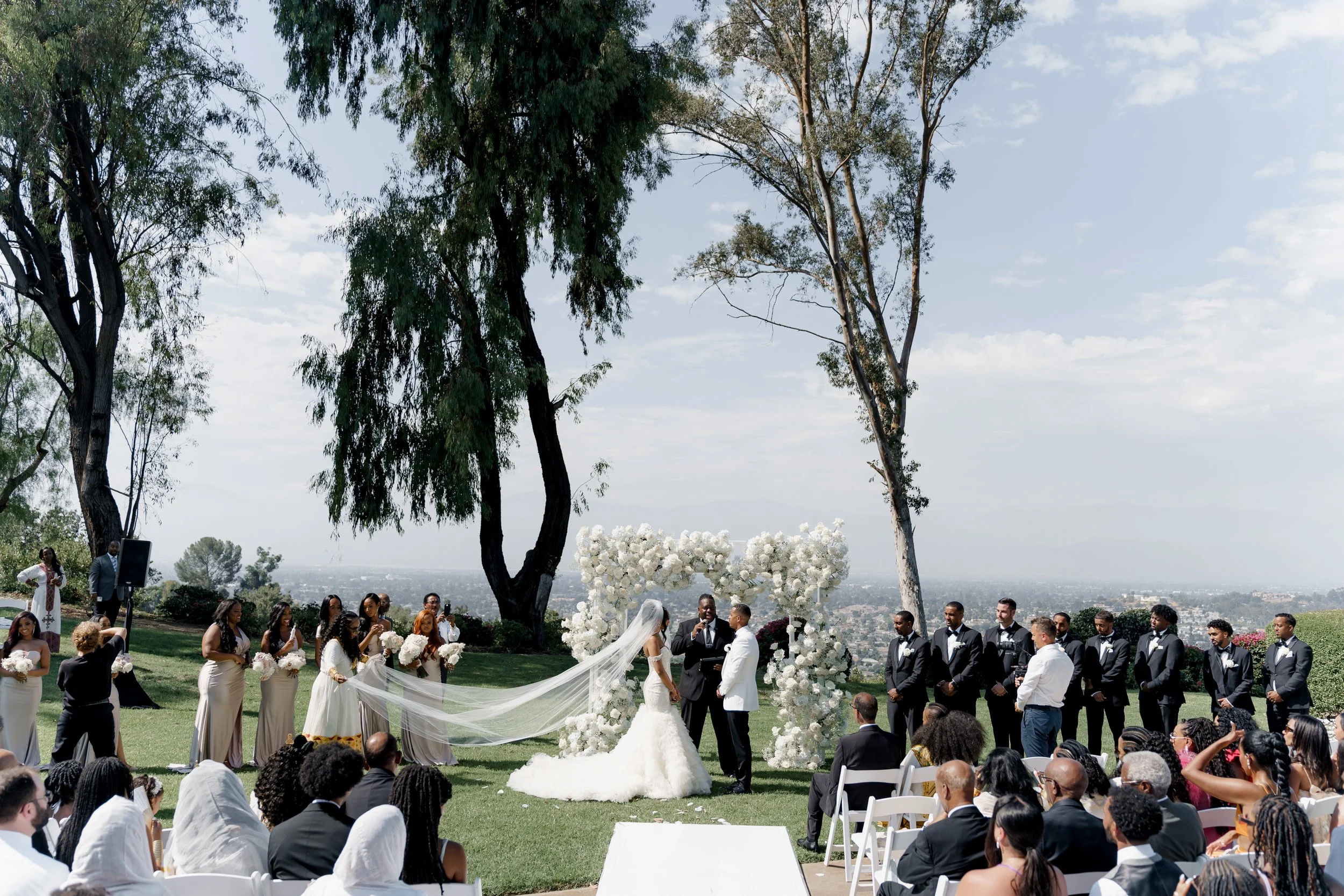
Why the Timeline Matters Even More When You're Planning It Yourself
A planner's real value isn't taste — it's sequencing. They know how long formals actually take, how much buffer a ceremony needs, and how to keep one vendor's schedule from quietly wrecking another's. Without that person in the room, all of that falls to you and whoever's helping you — which is completely doable, but it means the timeline can't be an afterthought the way it sometimes is when there's a planner absorbing the risk.
This matters most for photography, because photos are the one part of the day that can't be redone. A rushed golden hour looks rushed. A ceremony scheduled into direct afternoon sun means squinting for twenty minutes. None of this is dramatic — it's just math: light moves, rooms fill and empty on a schedule, and every part of your day has a window where it photographs best. The timeline decides whether you land in that window.
The Building Blocks of a Wedding Day Timeline
Every wedding is different, but almost all of them are built from the same core pieces.
Getting Ready
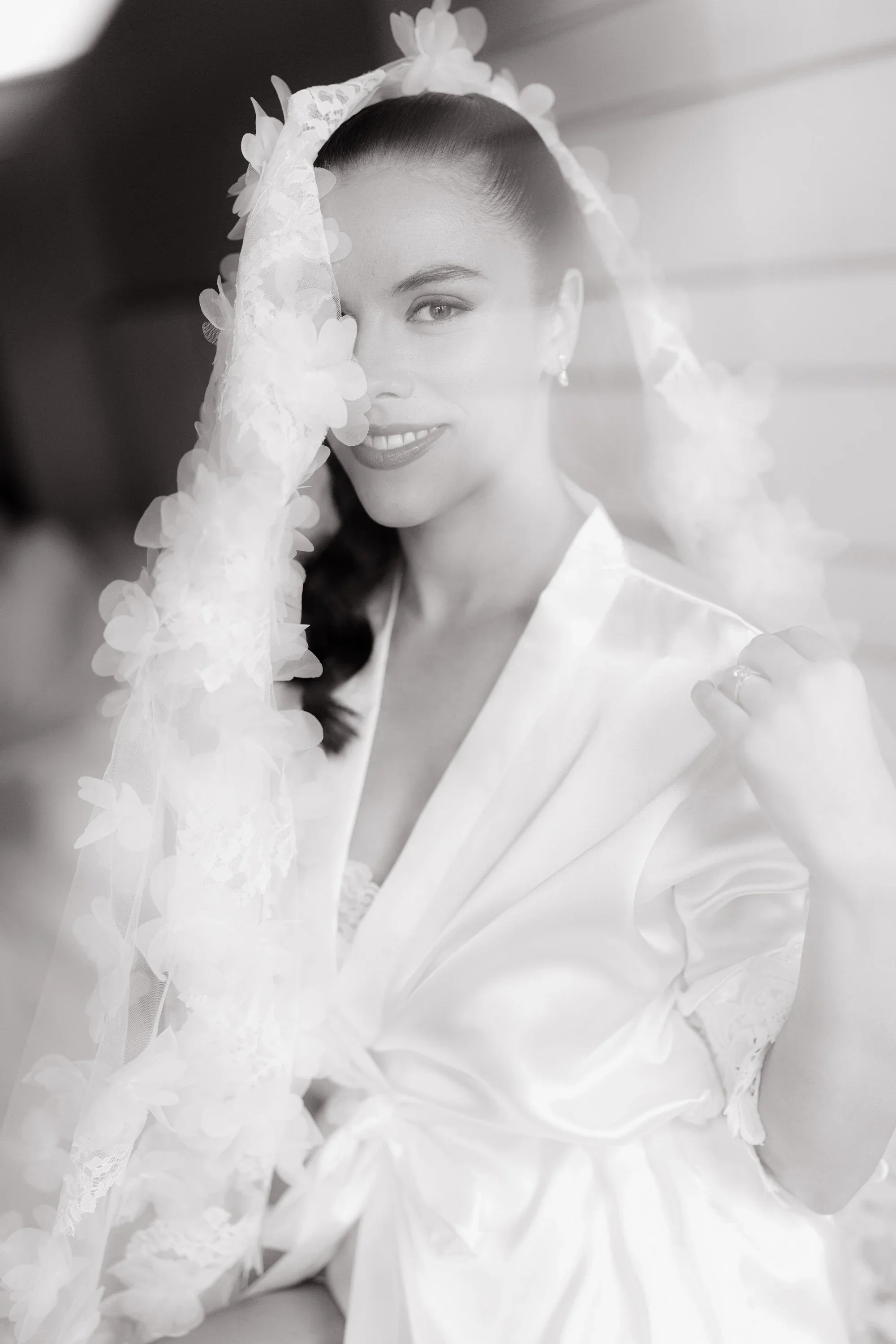
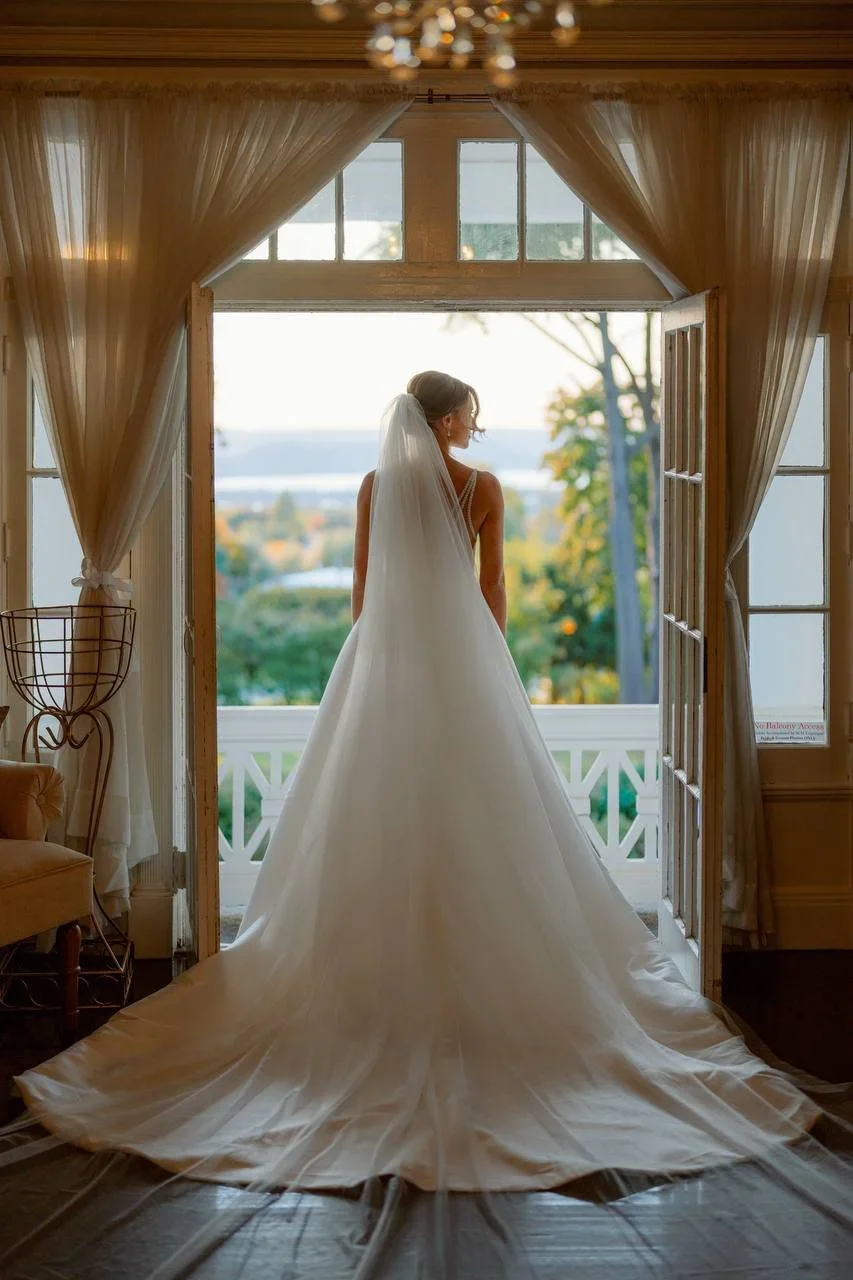
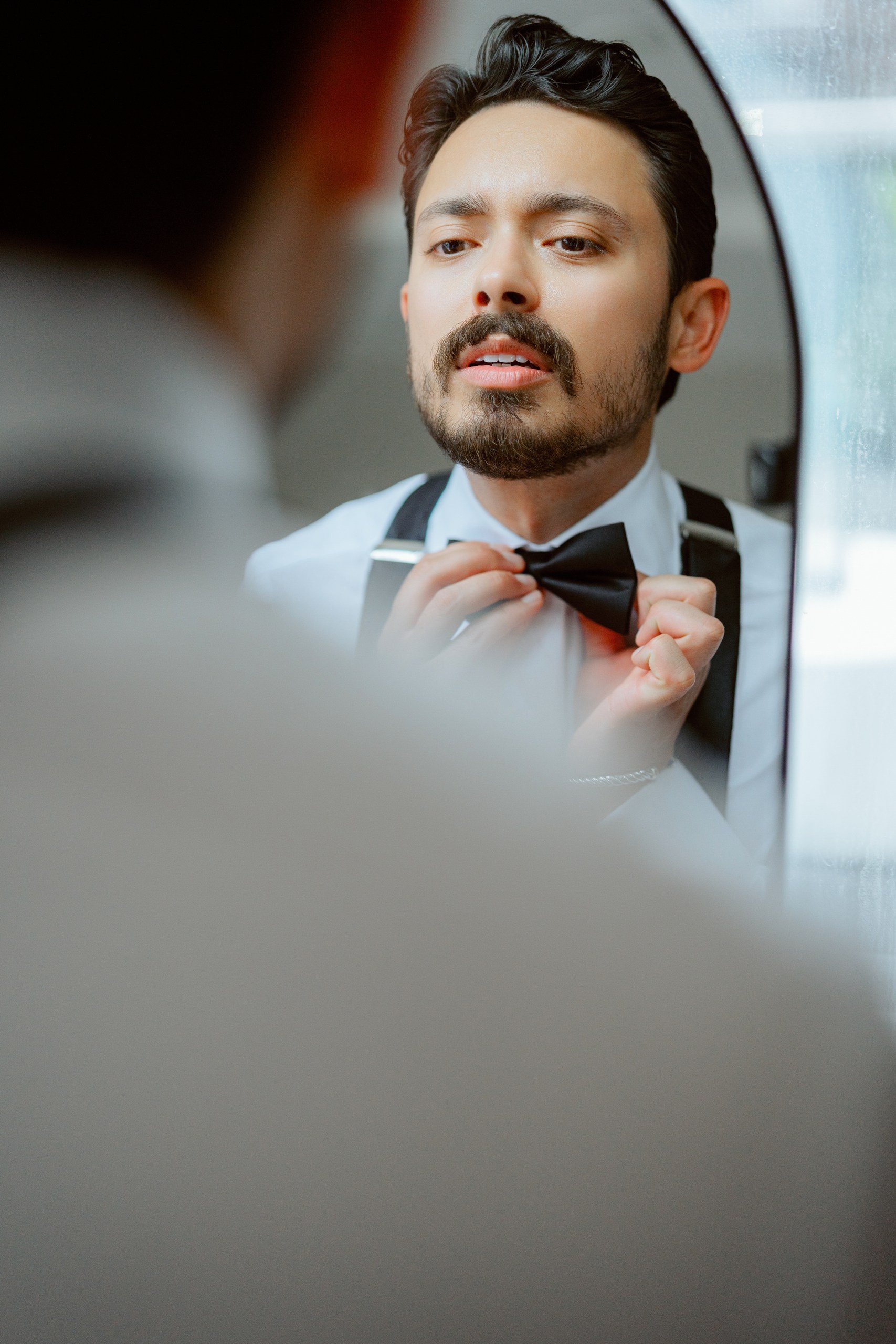
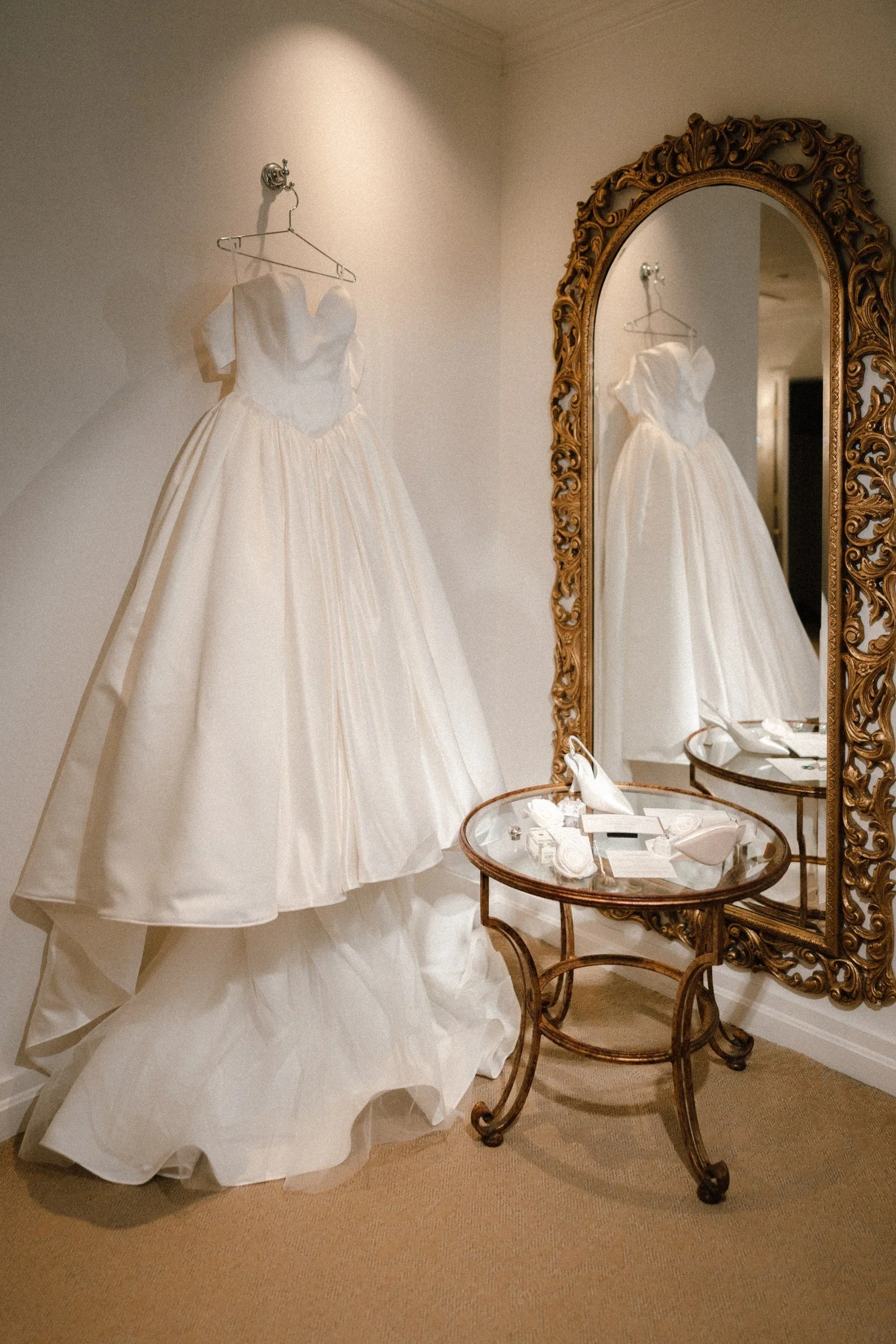
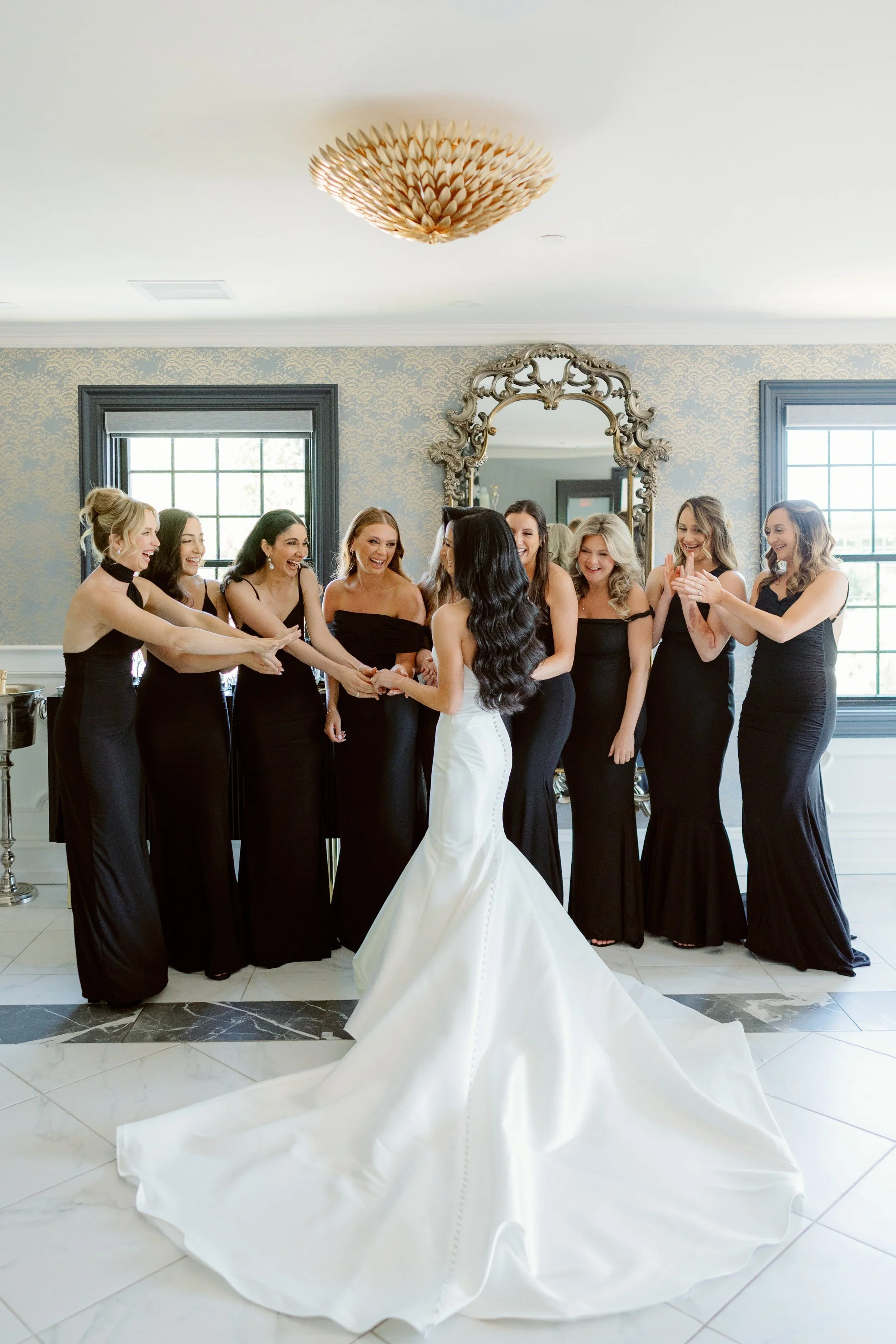
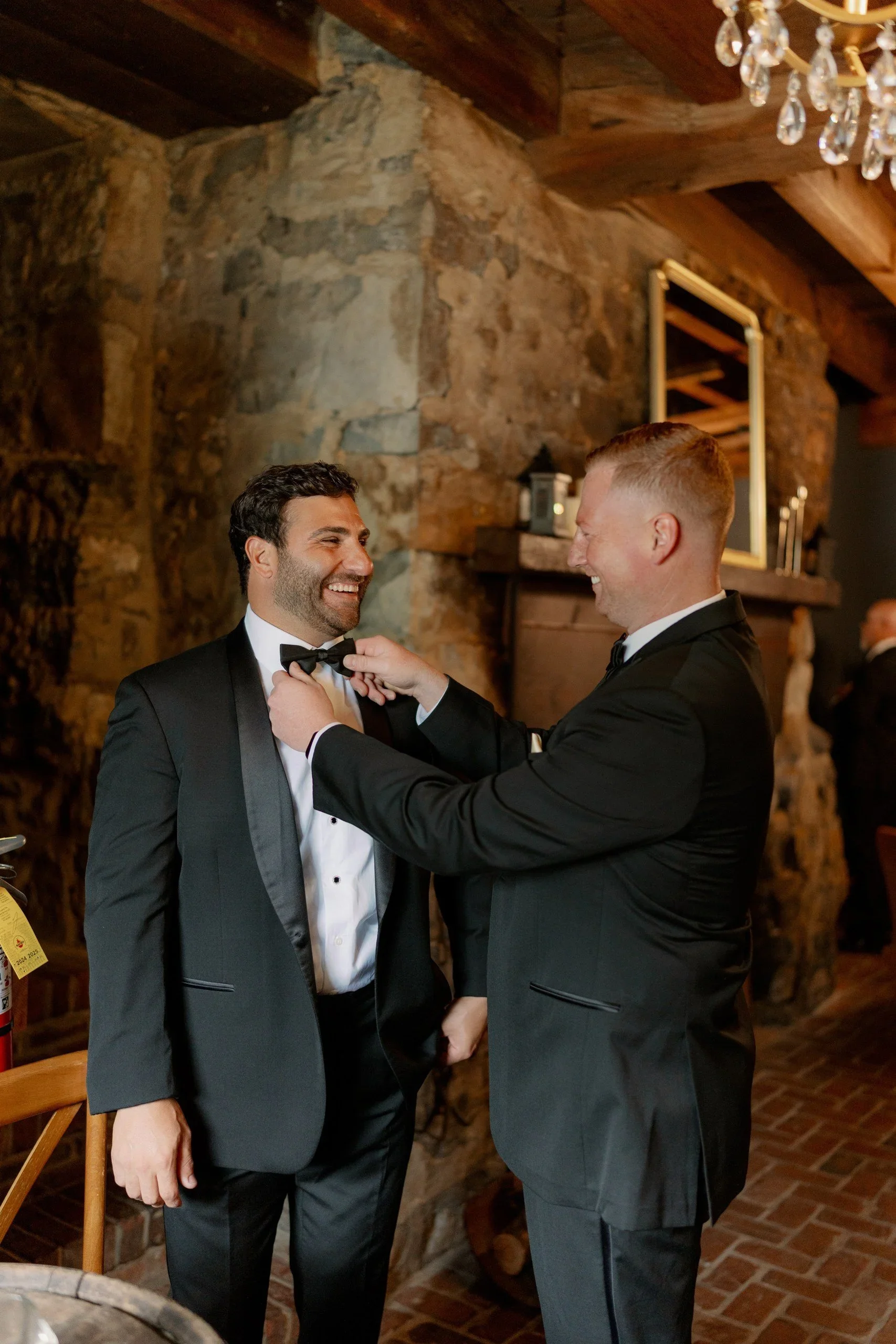

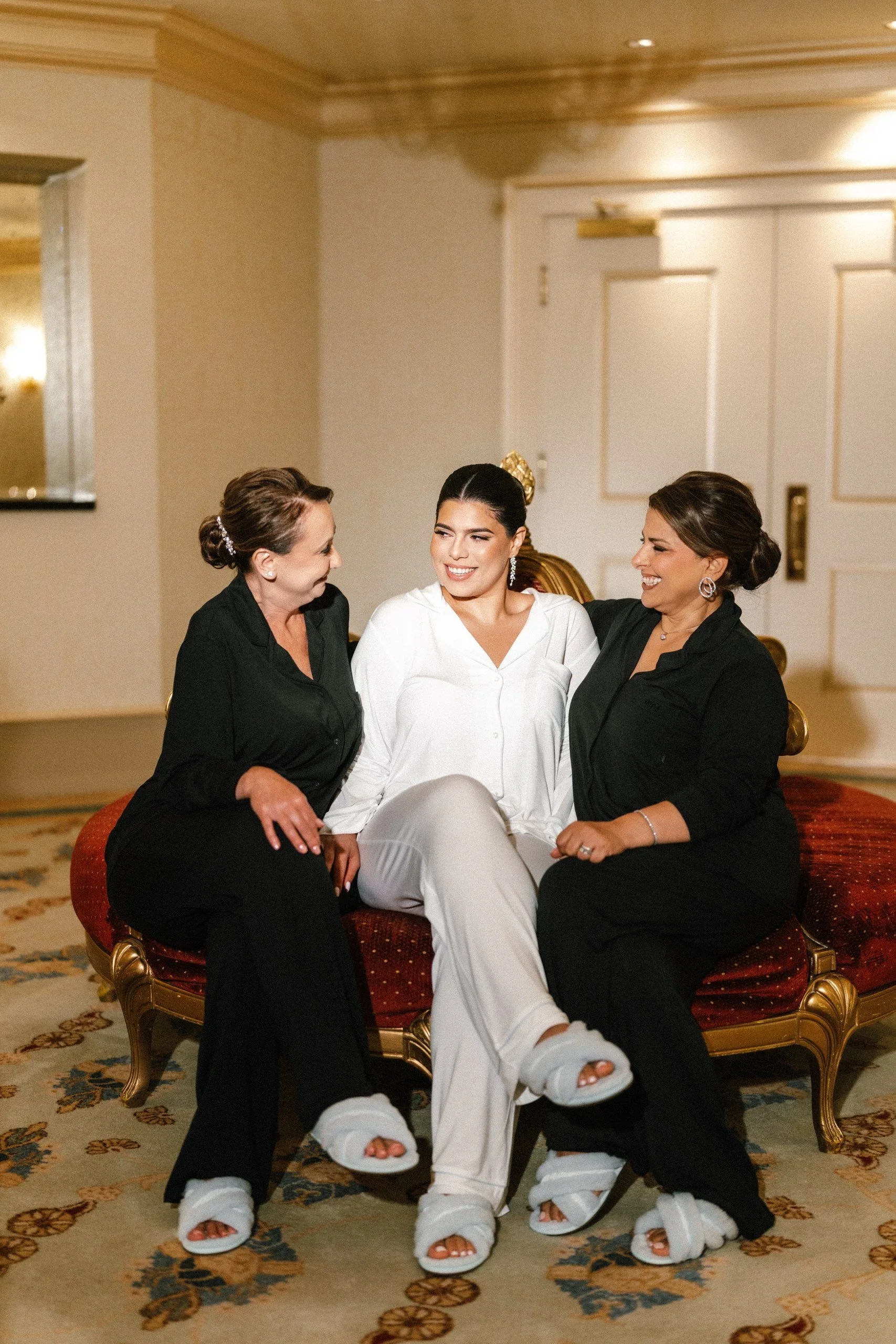

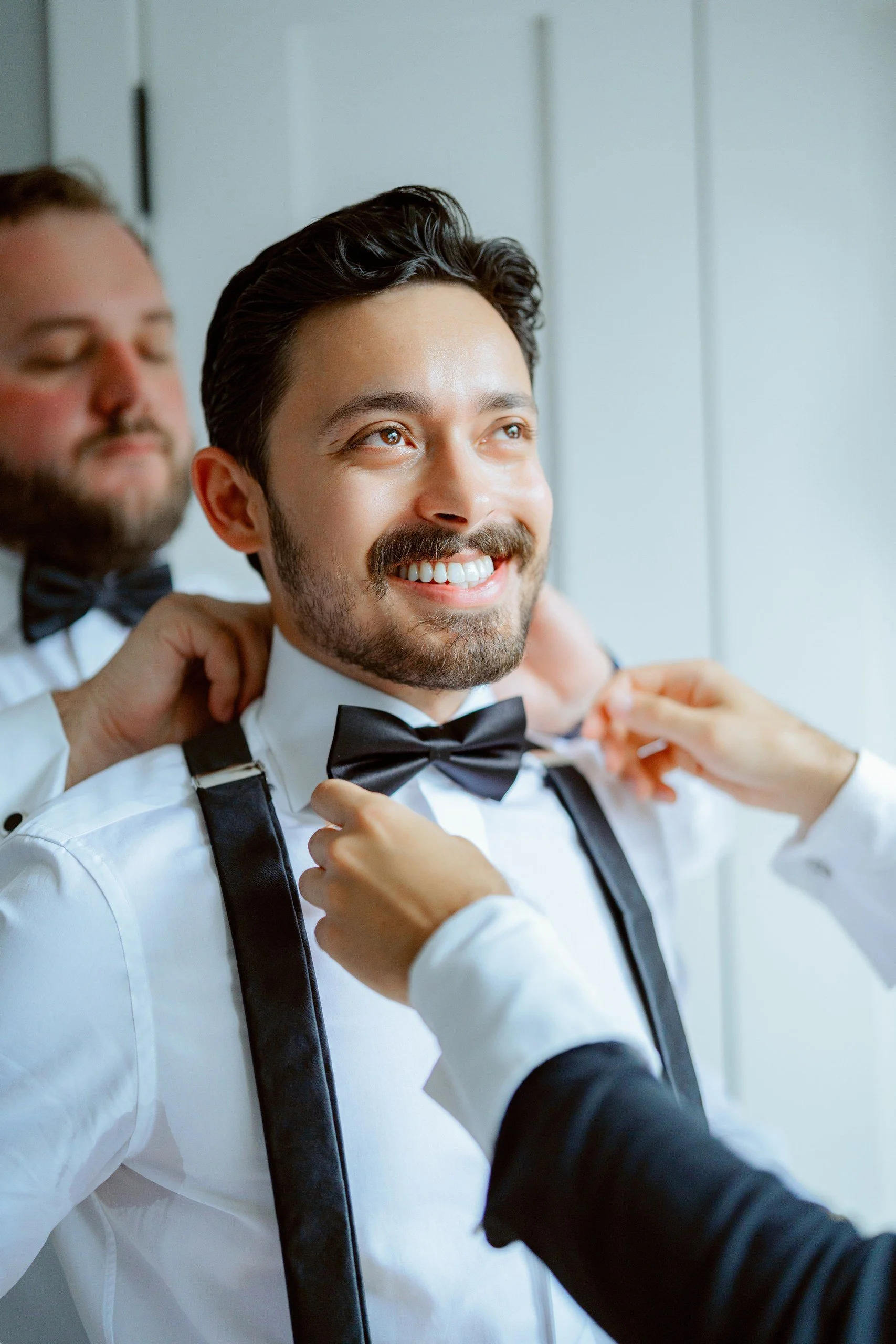
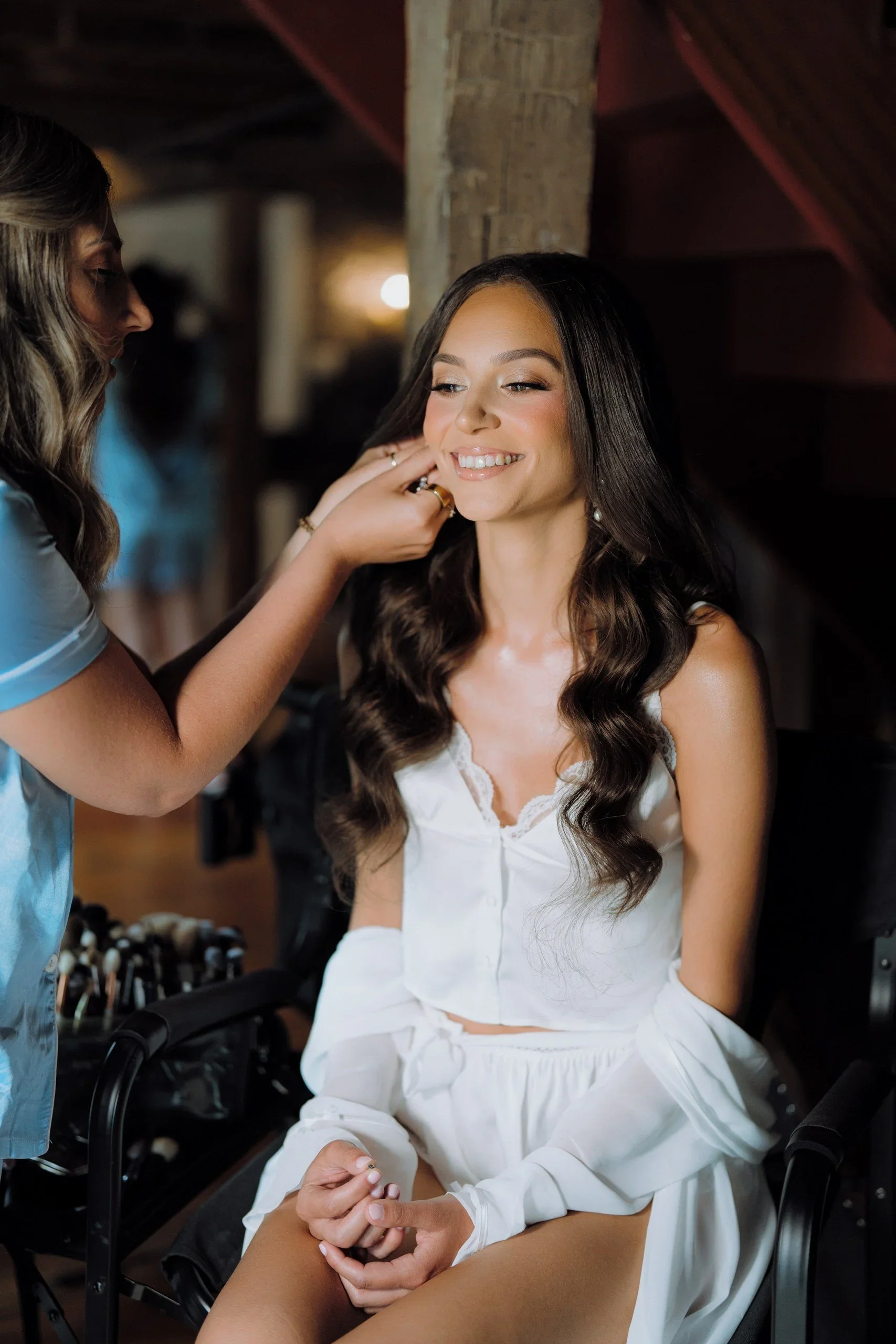

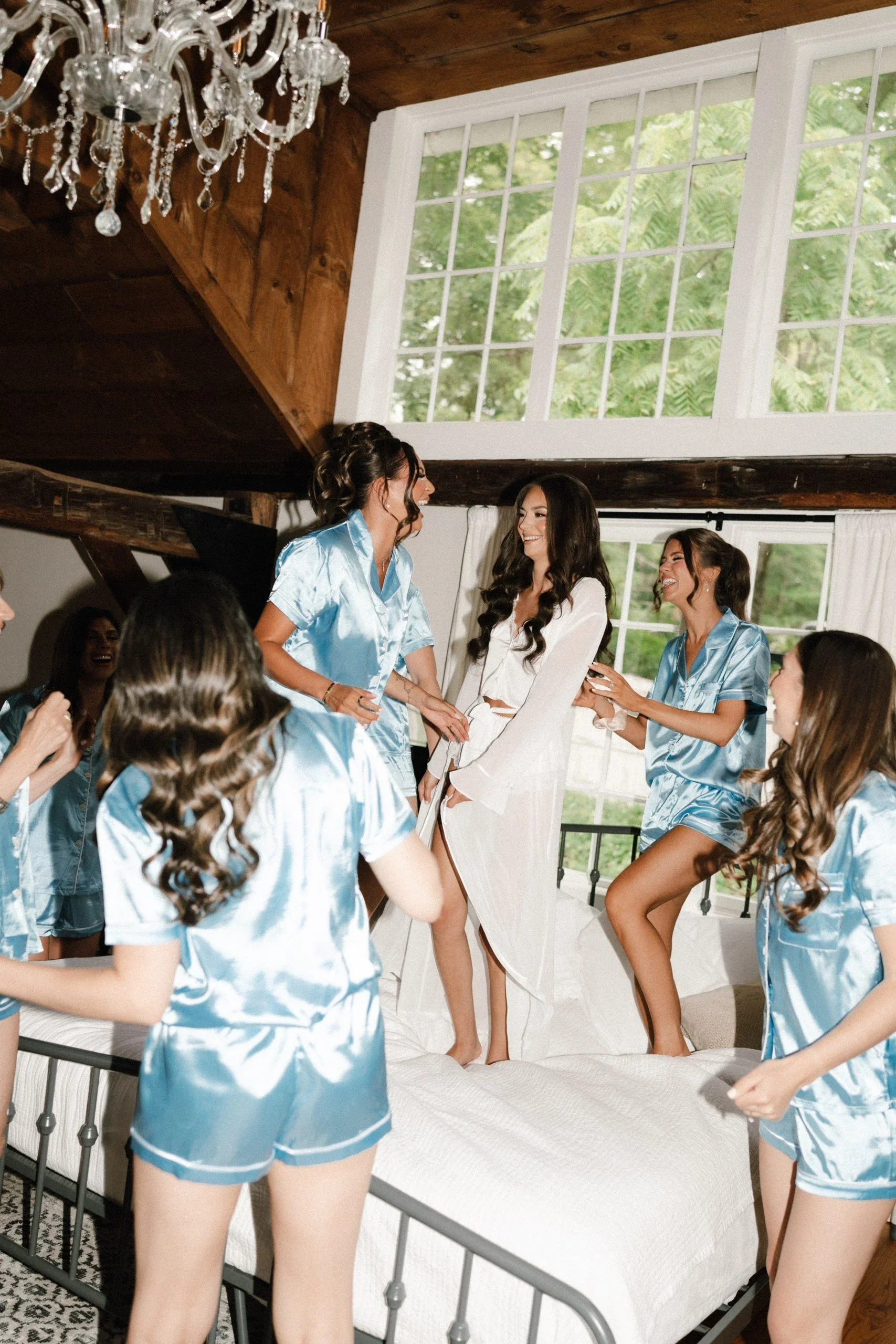
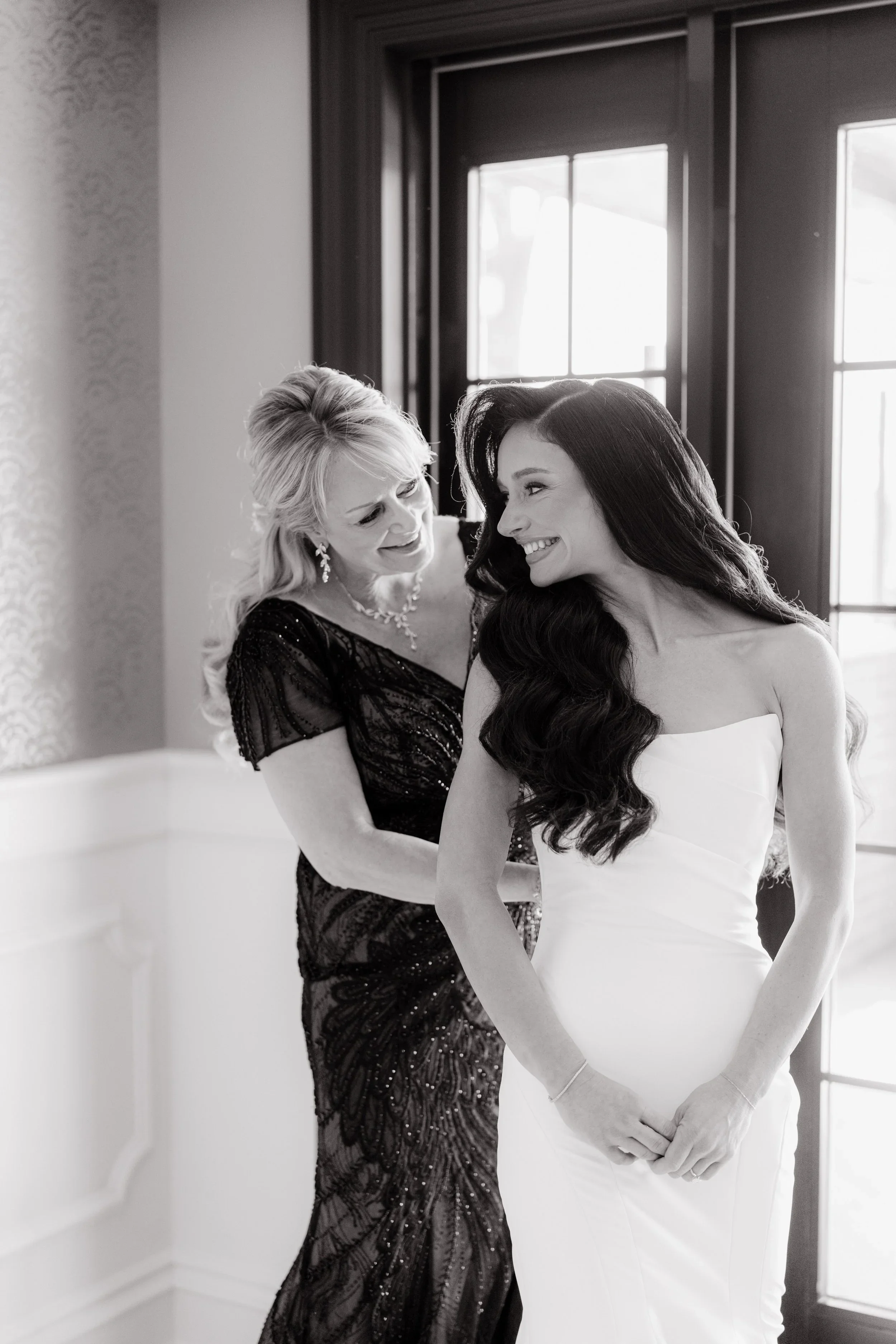
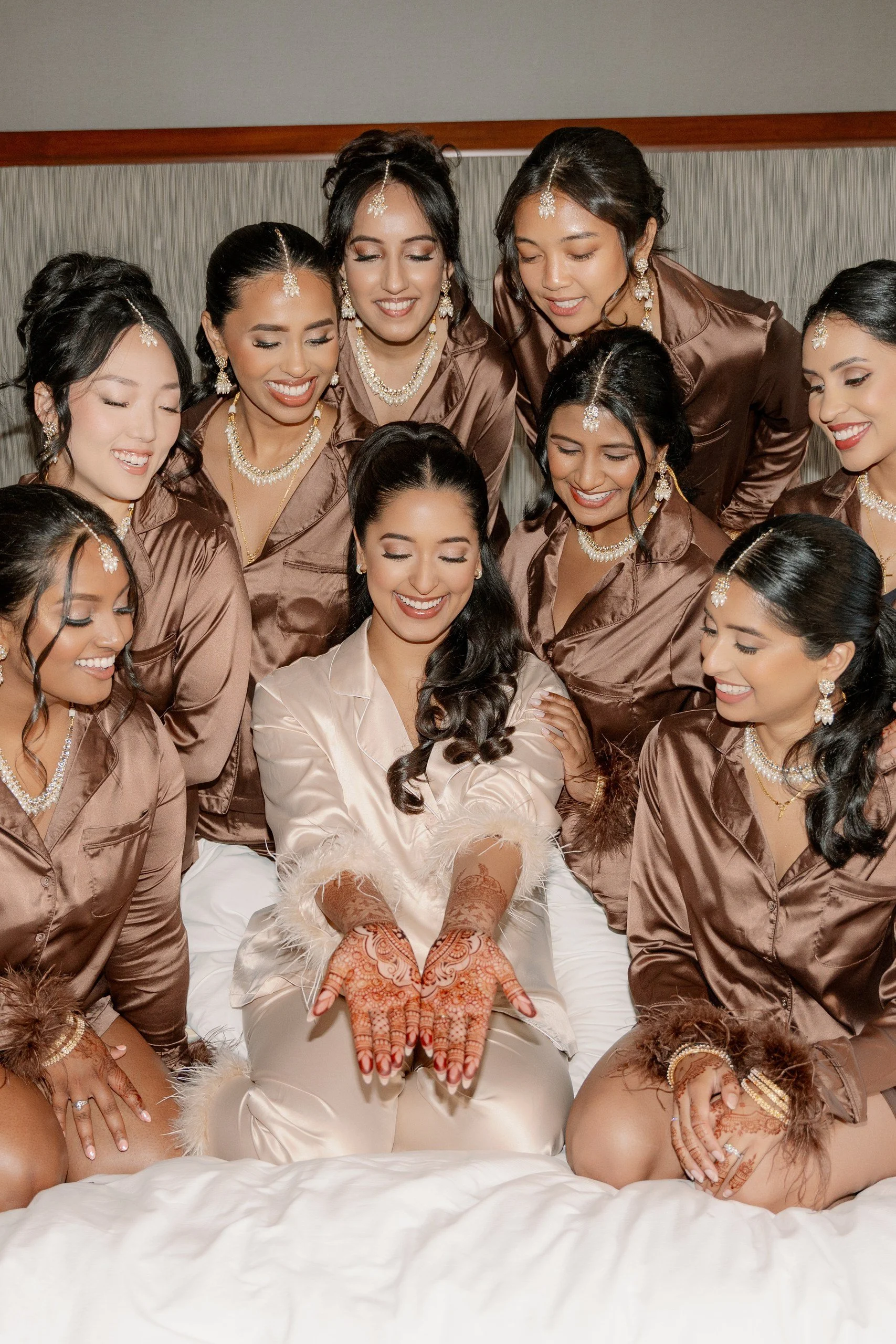
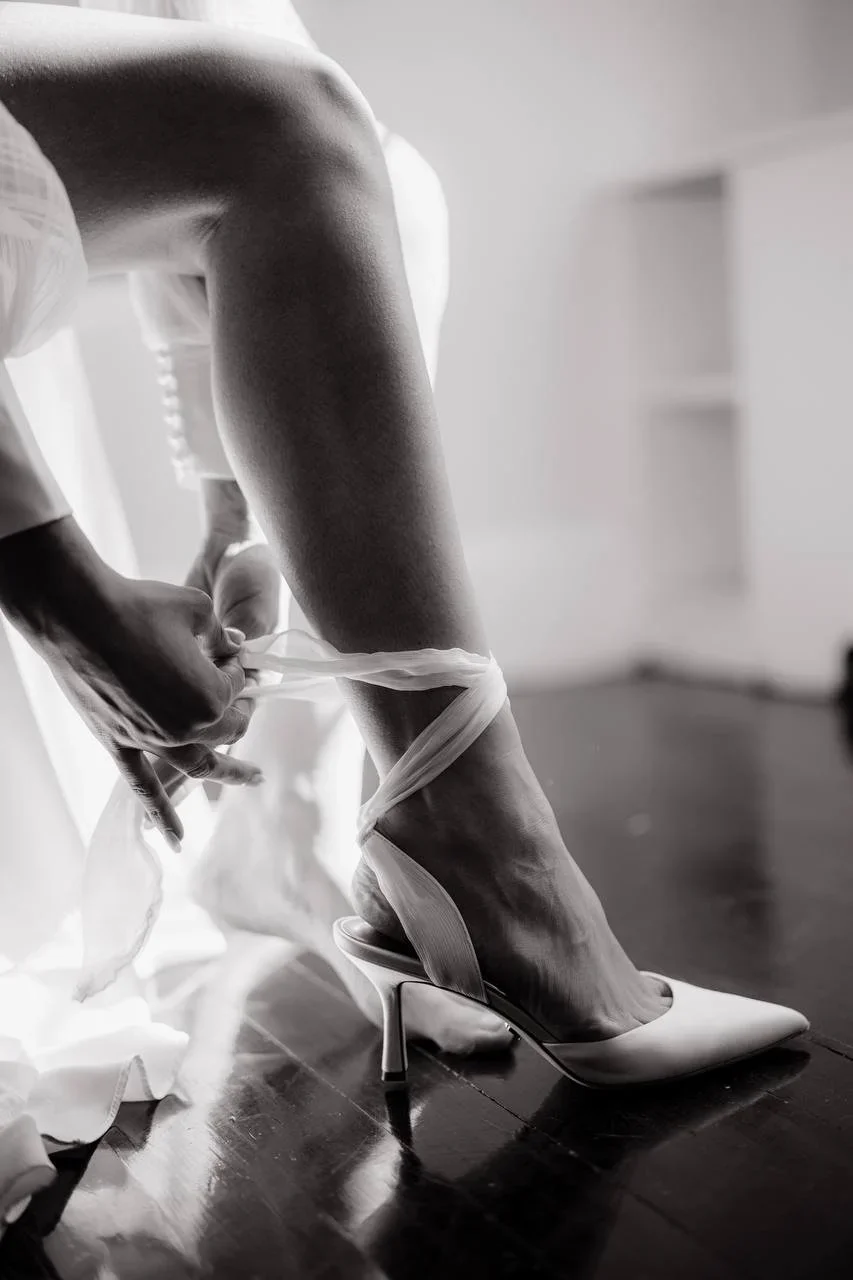
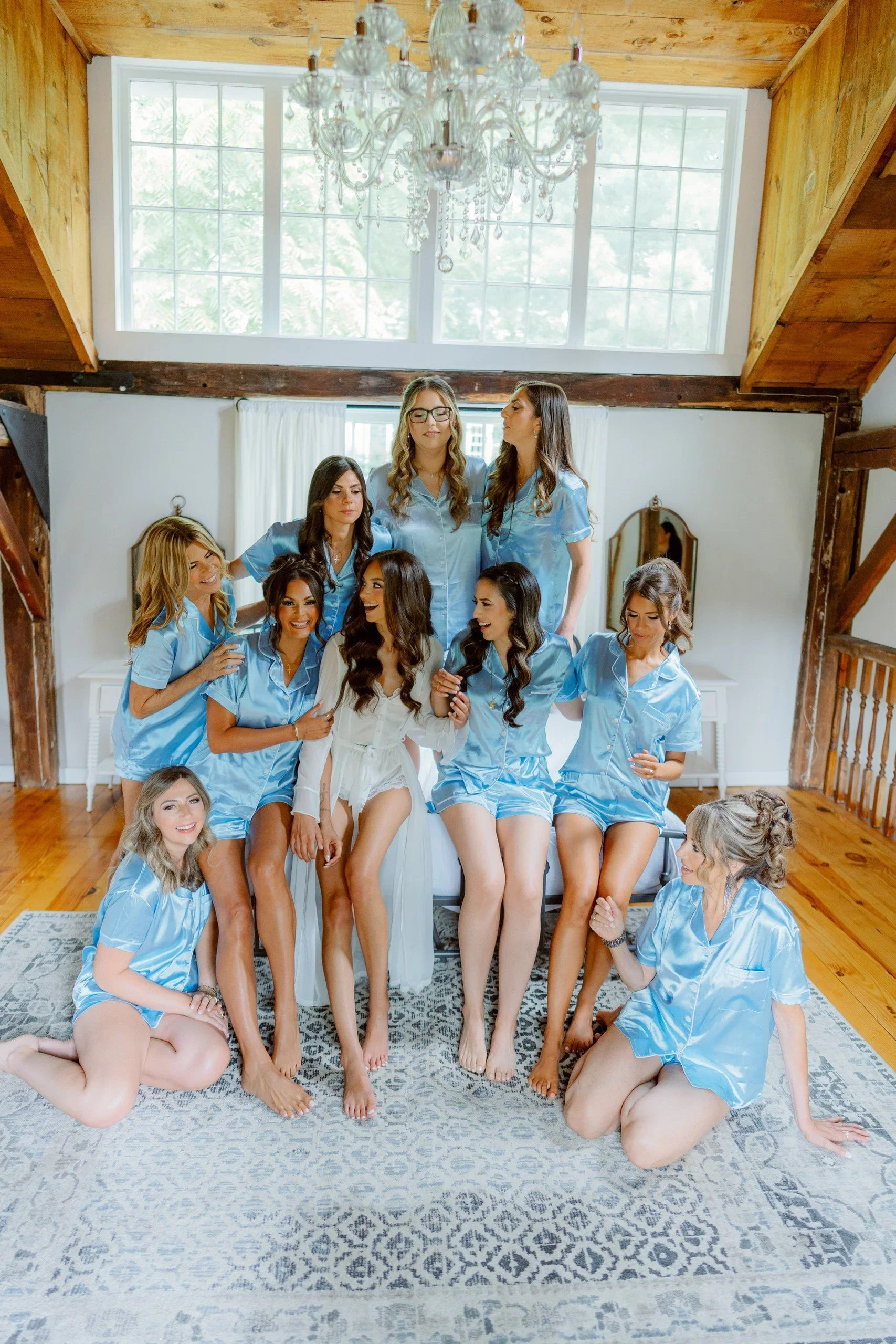

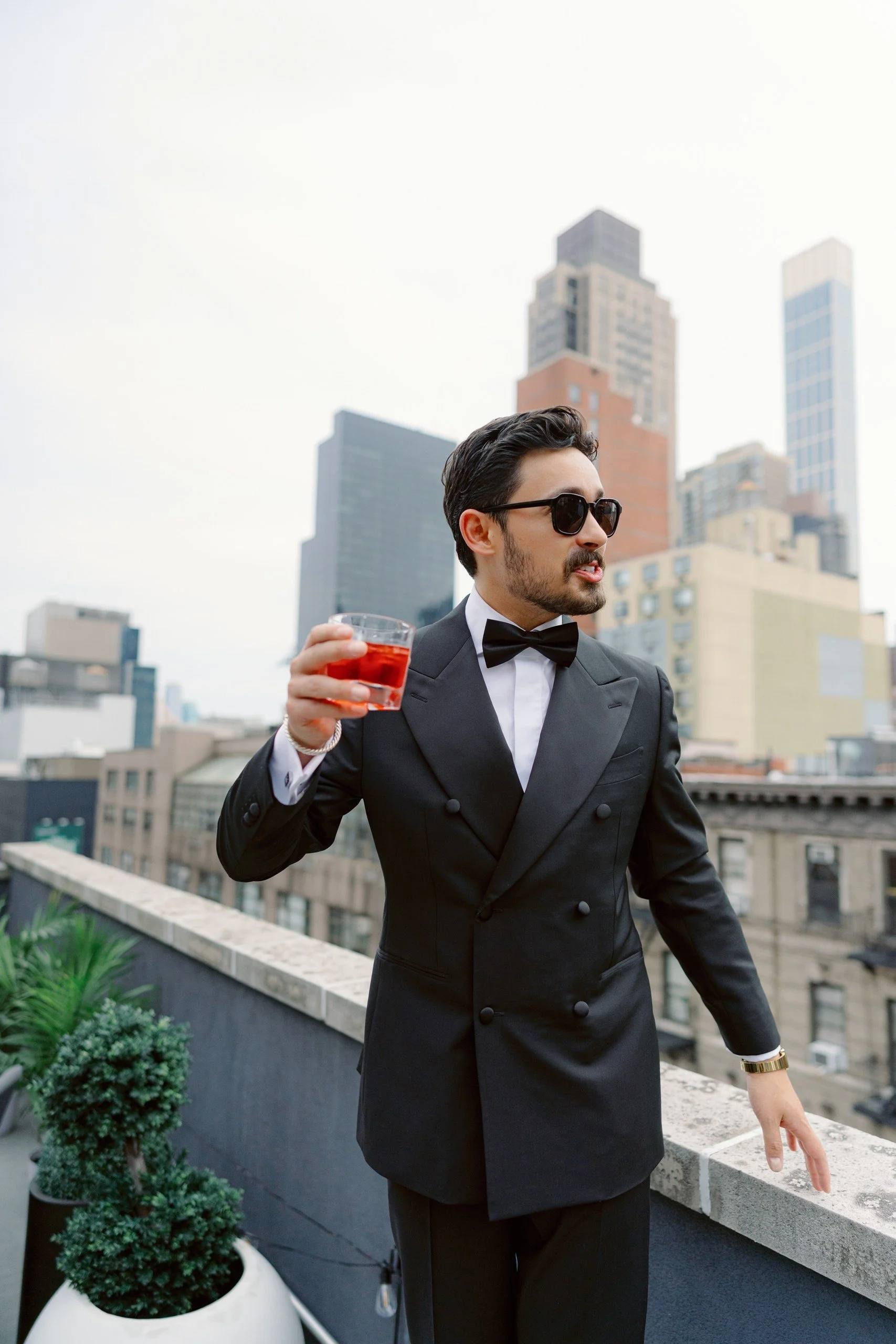
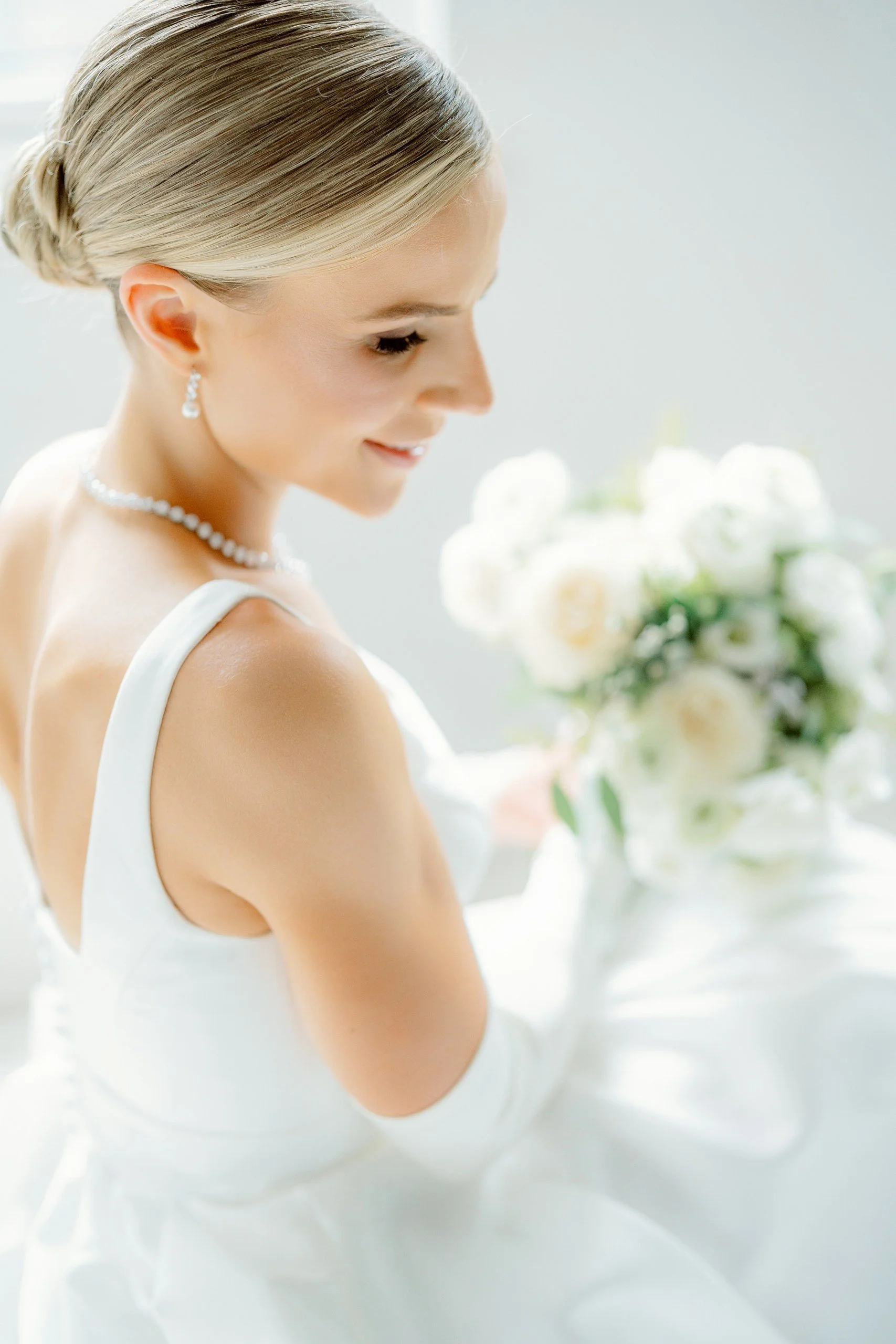
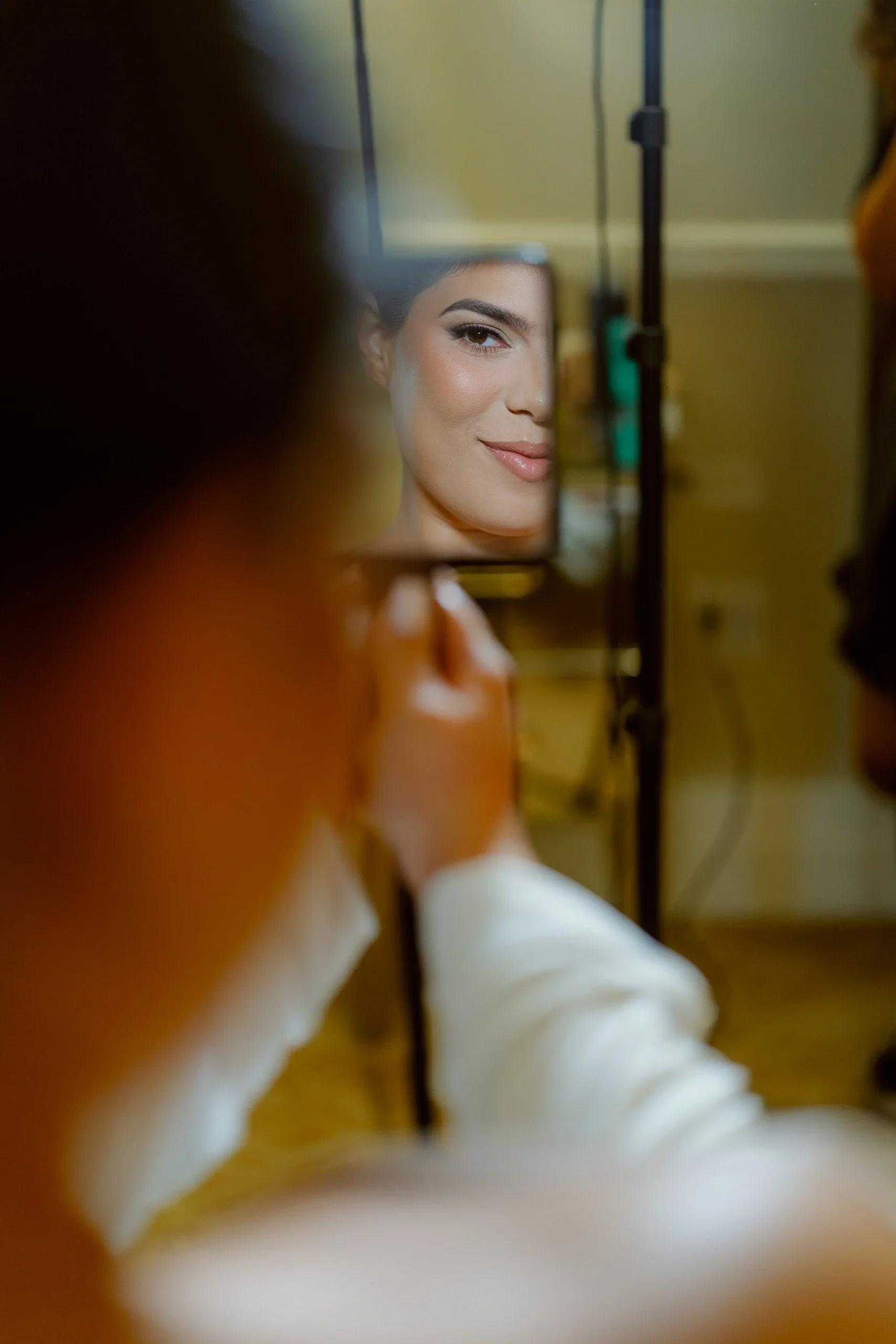
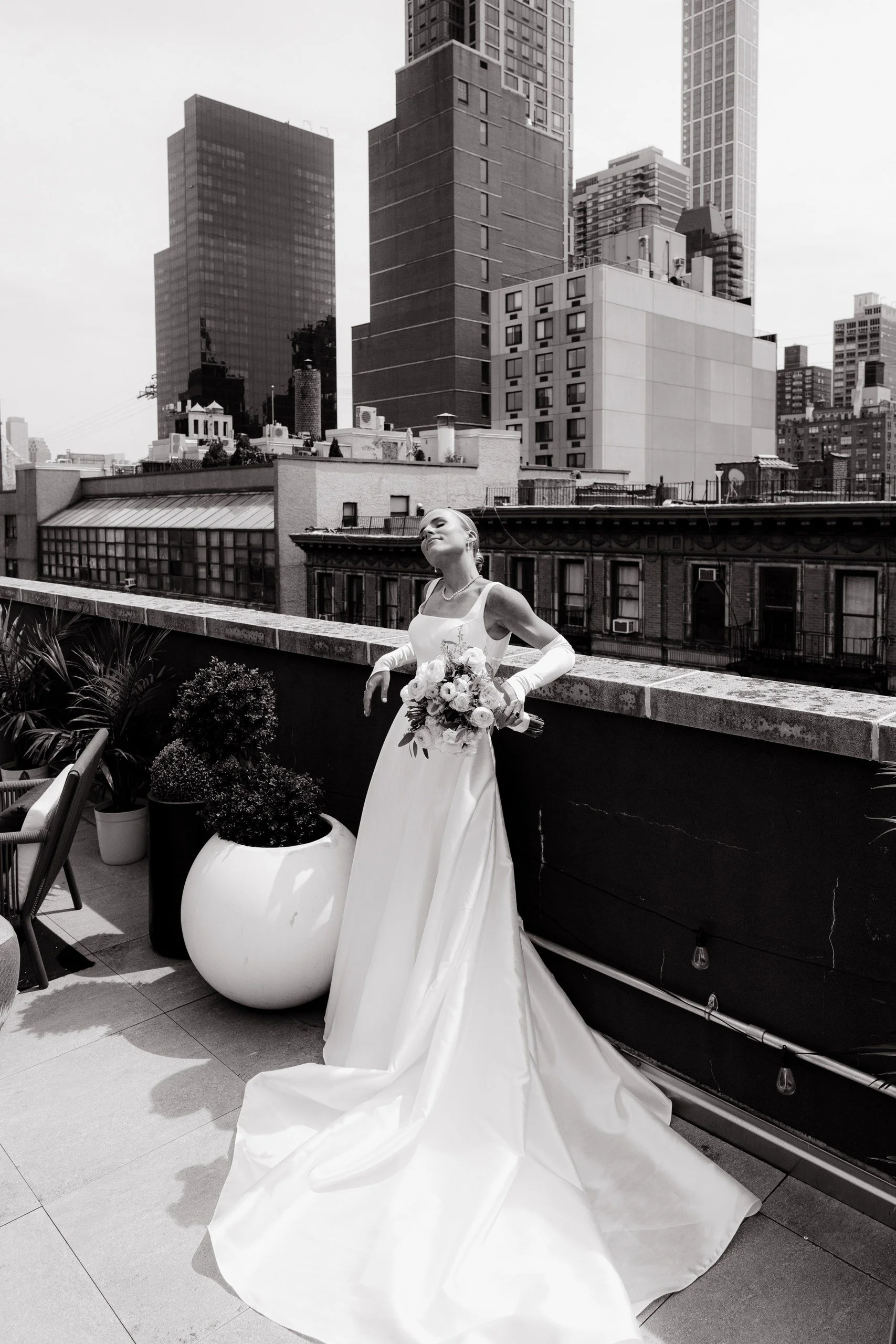
This is where the day starts, and it's more photogenic than most couples expect — as long as the room has good light. A suite with north-facing windows will consistently outperform a dim hallway or a room lit only by overheads. If you have any say in where getting-ready happens, daylight is the single best upgrade available to you for free.
Give this window enough breathing room that hair and makeup aren't finishing as your photographer arrives — 2 to 3 hours before you need to be dressed is typical, more with a larger wedding party.
First Look or No First Look
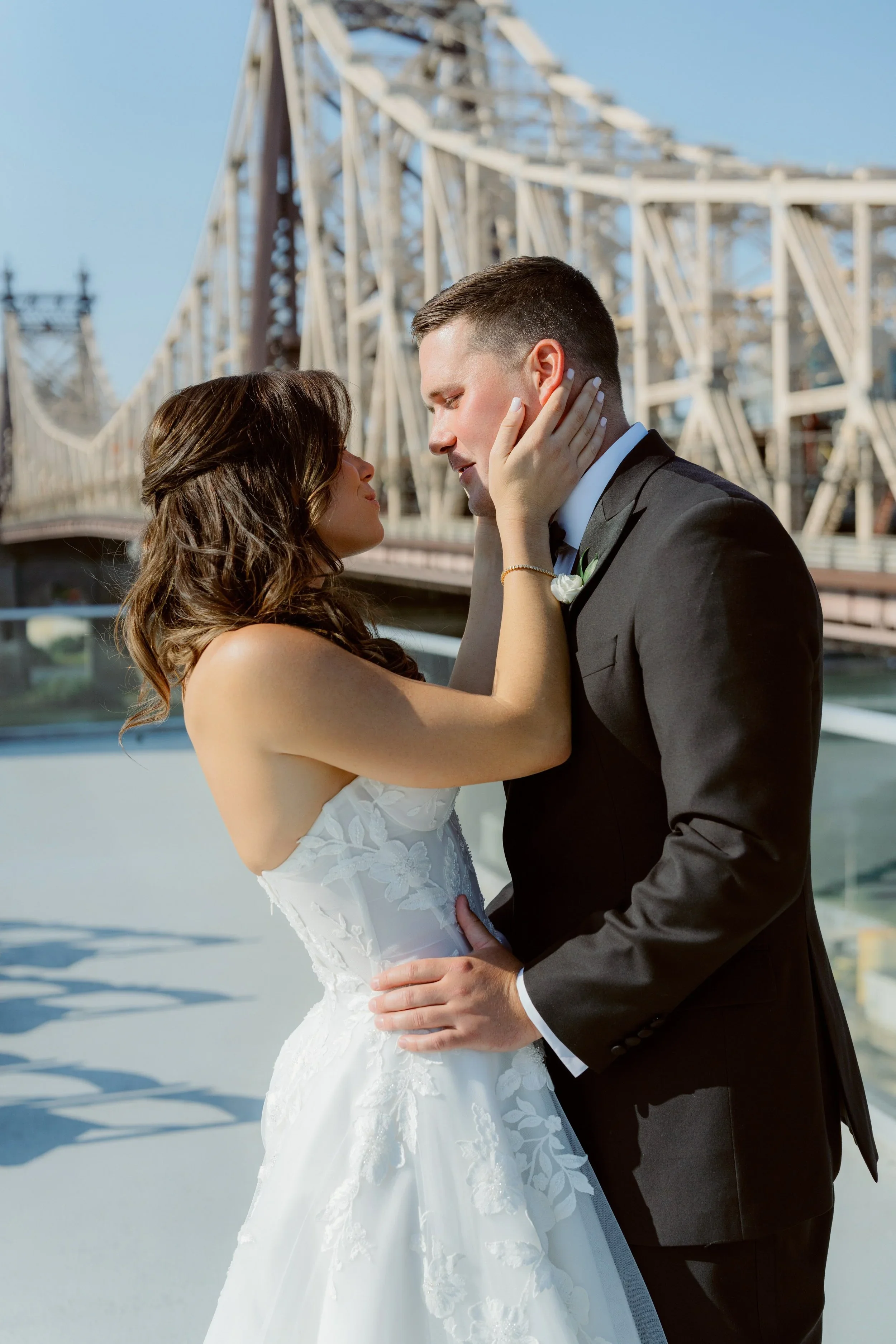
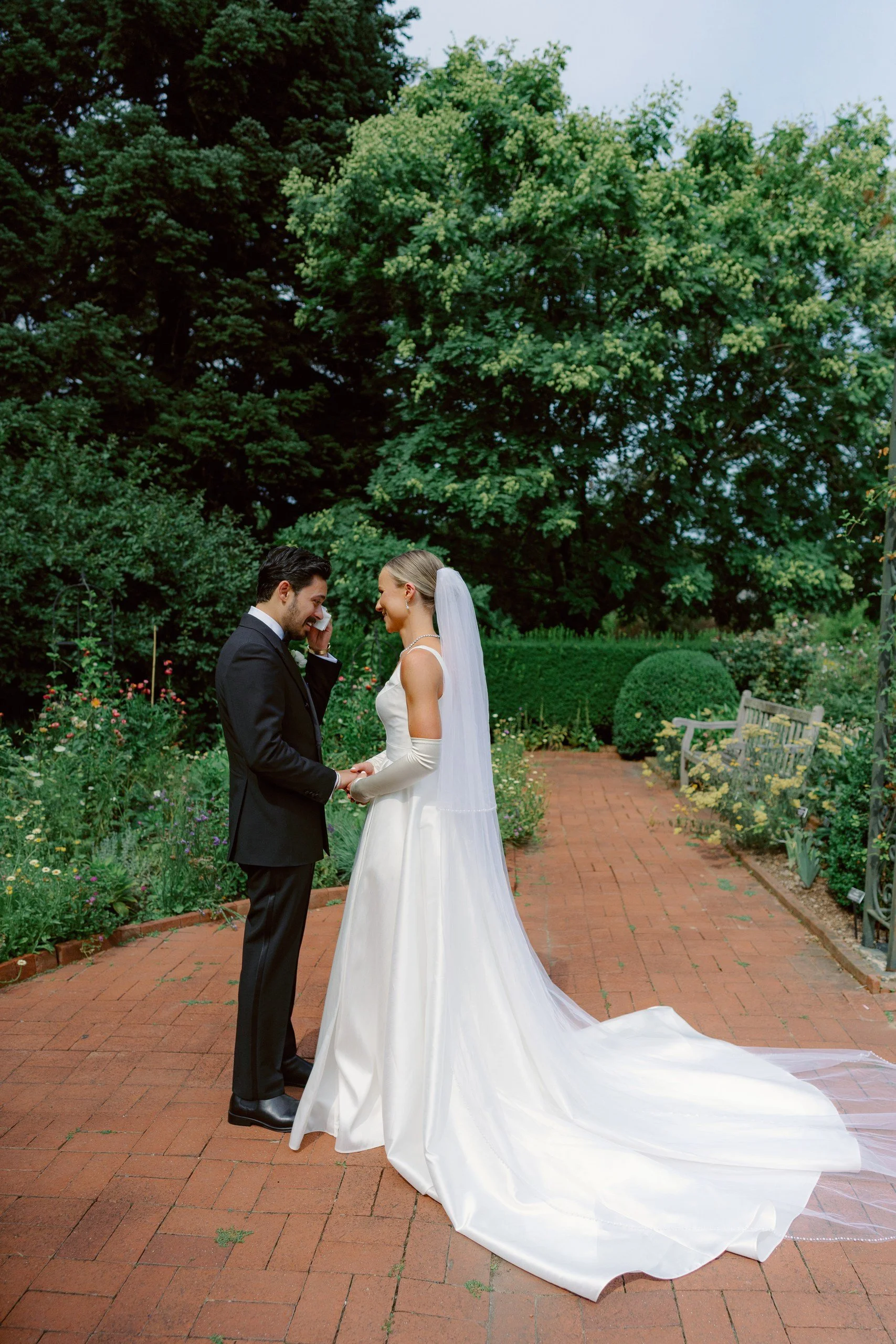
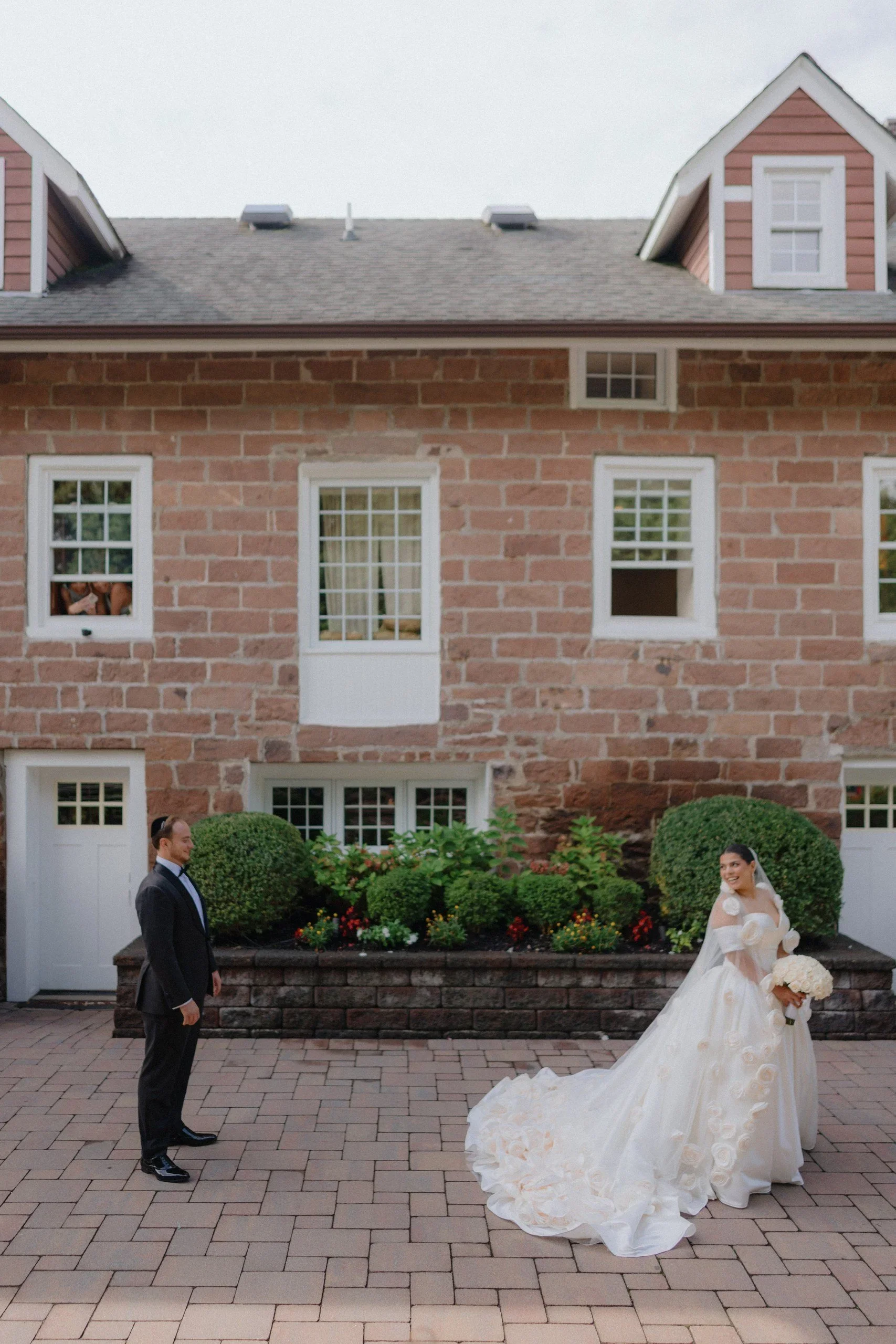
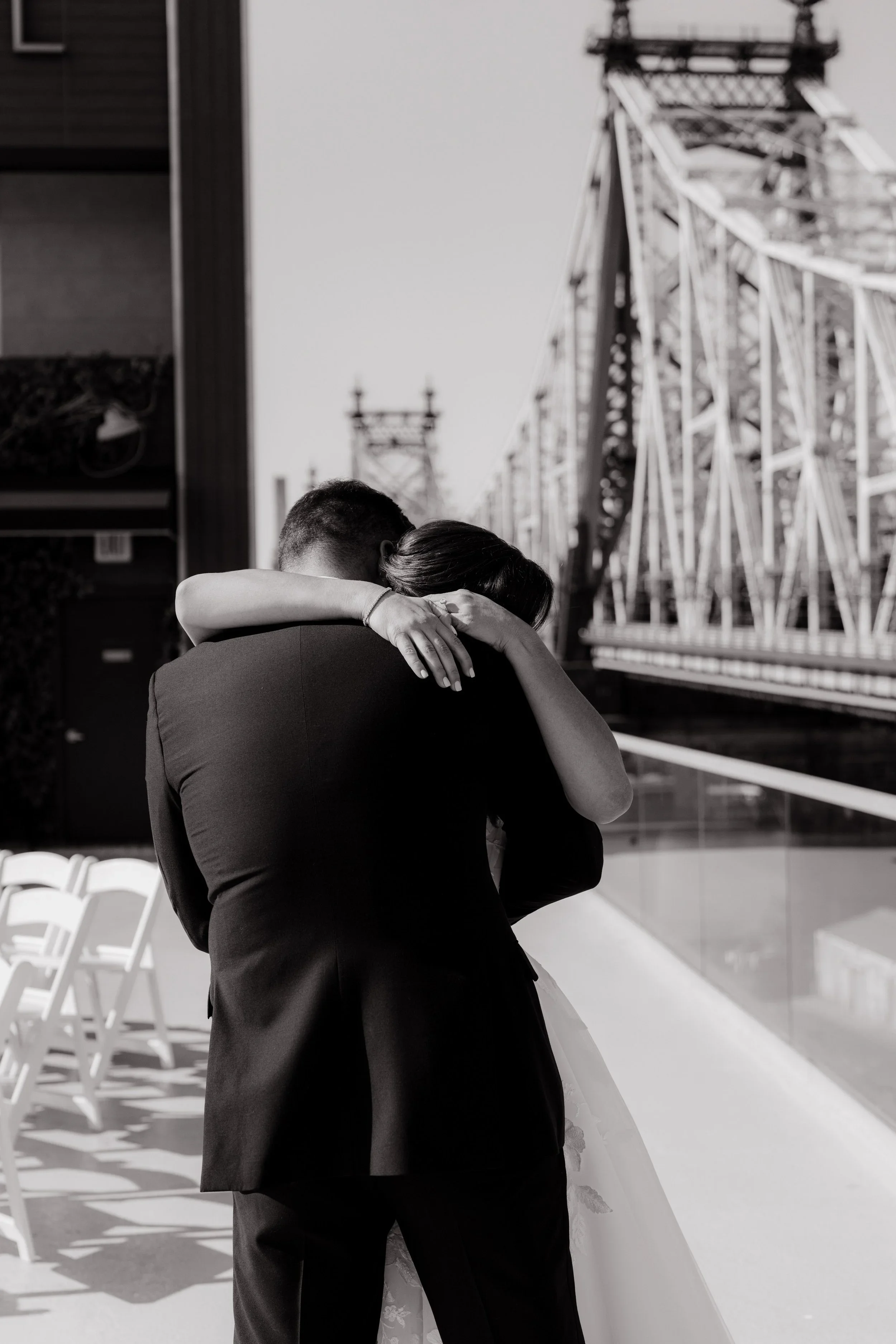
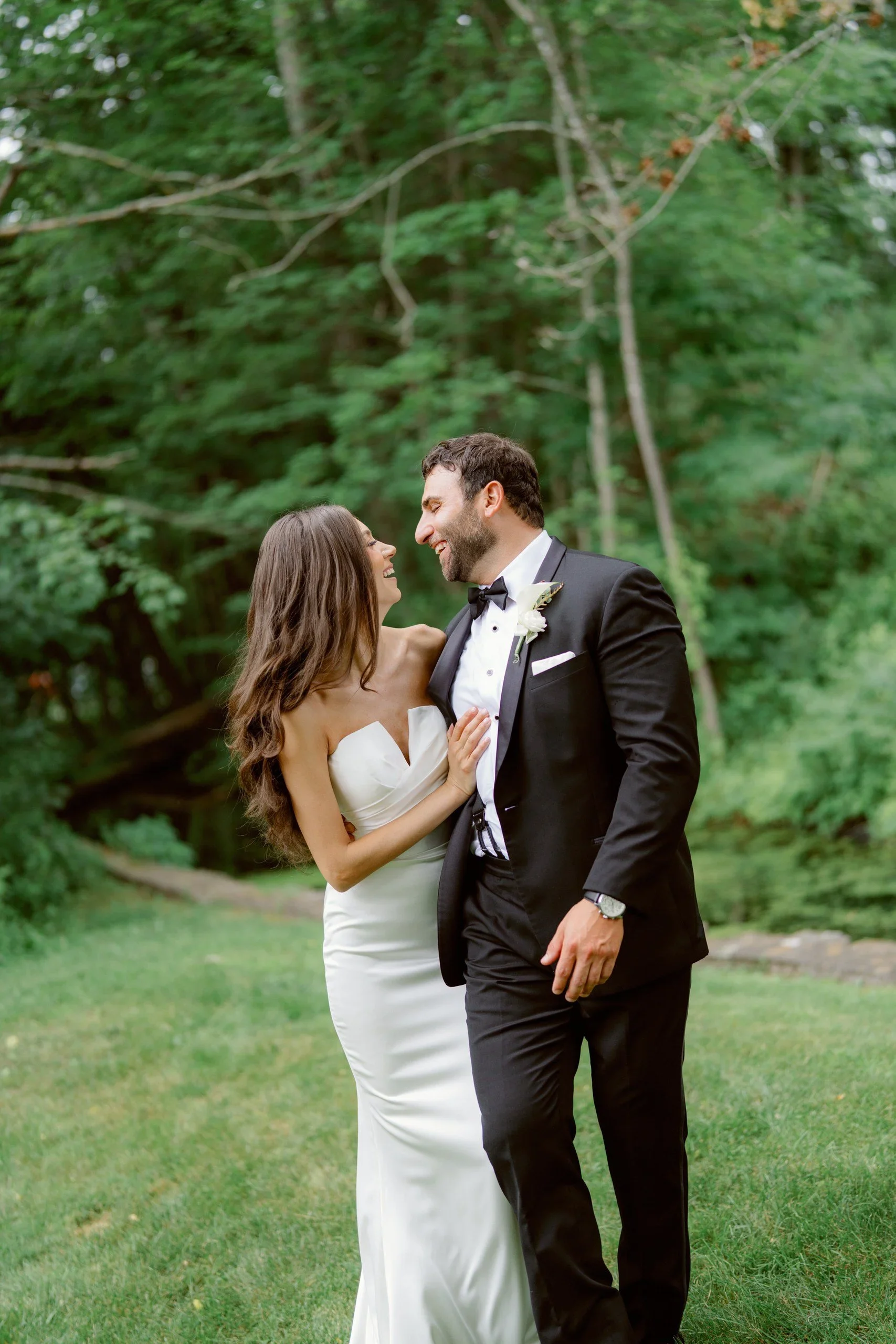
This is the first real decision point, and without a planner walking you through the trade-offs, it's worth pausing on.
A first look — a private, planned moment before the ceremony — buys you time. Portraits and often family formals happen before guests arrive, which frees up your cocktail hour to actually be a cocktail hour.
Skipping the first look keeps the ceremony as the true first moment you see each other. The trade-off: everything — formals, couple portraits, sometimes wedding party photos — compresses into cocktail hour, which is usually just 60 minutes.
Neither is wrong. It's a question of what you'd rather protect: time, or the moment itself. Decide this early — it shapes almost everything else on the timeline.
The Ceremony
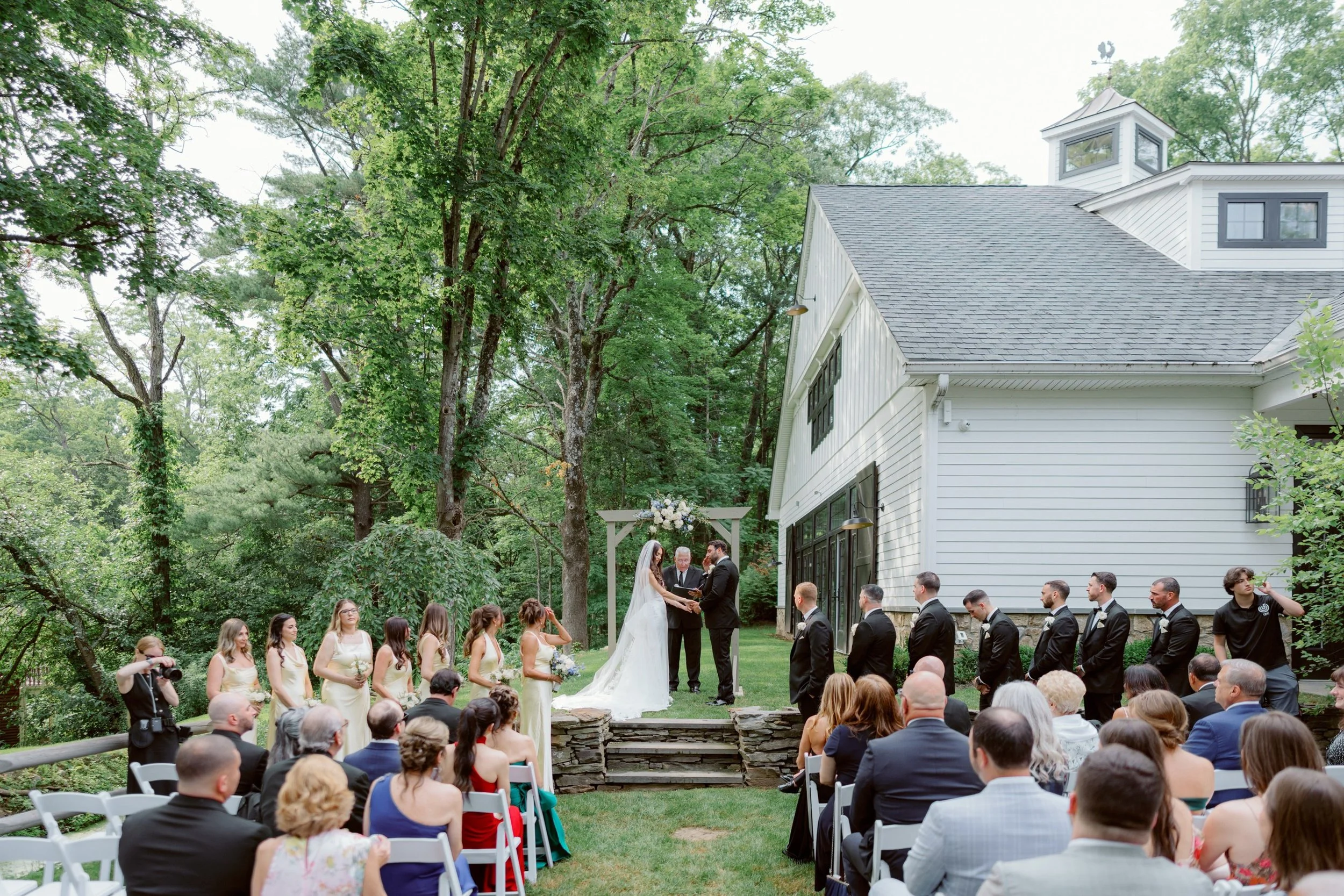
Beyond timing (avoid direct backlight at high noon if you can choose your hour), give the ceremony more room than you think you need. Processionals run long. Officiants go a few minutes over. Without a planner keeping things moving, build in a 10–15 minute buffer after the ceremony before you're expected anywhere else.
Family Formals
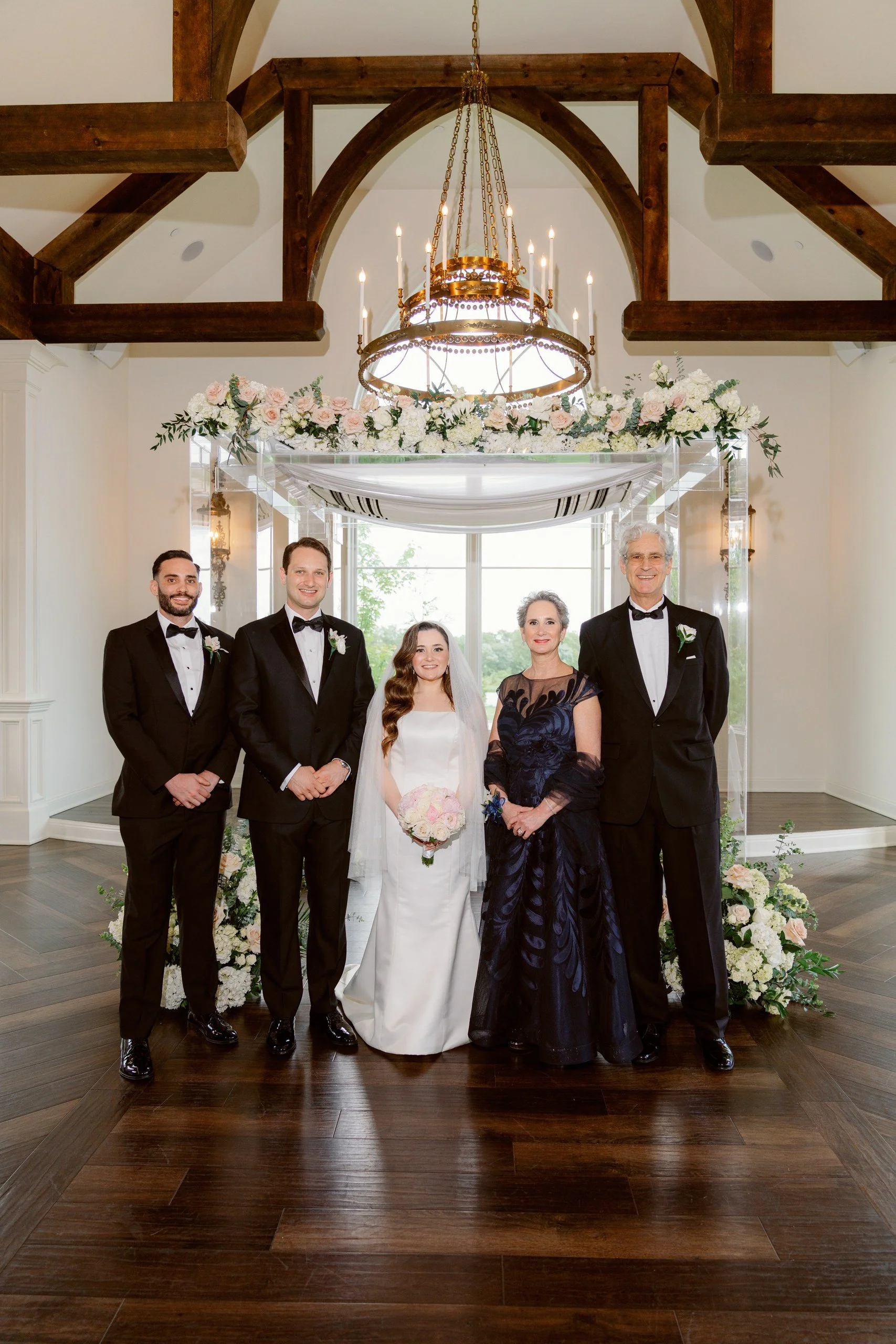
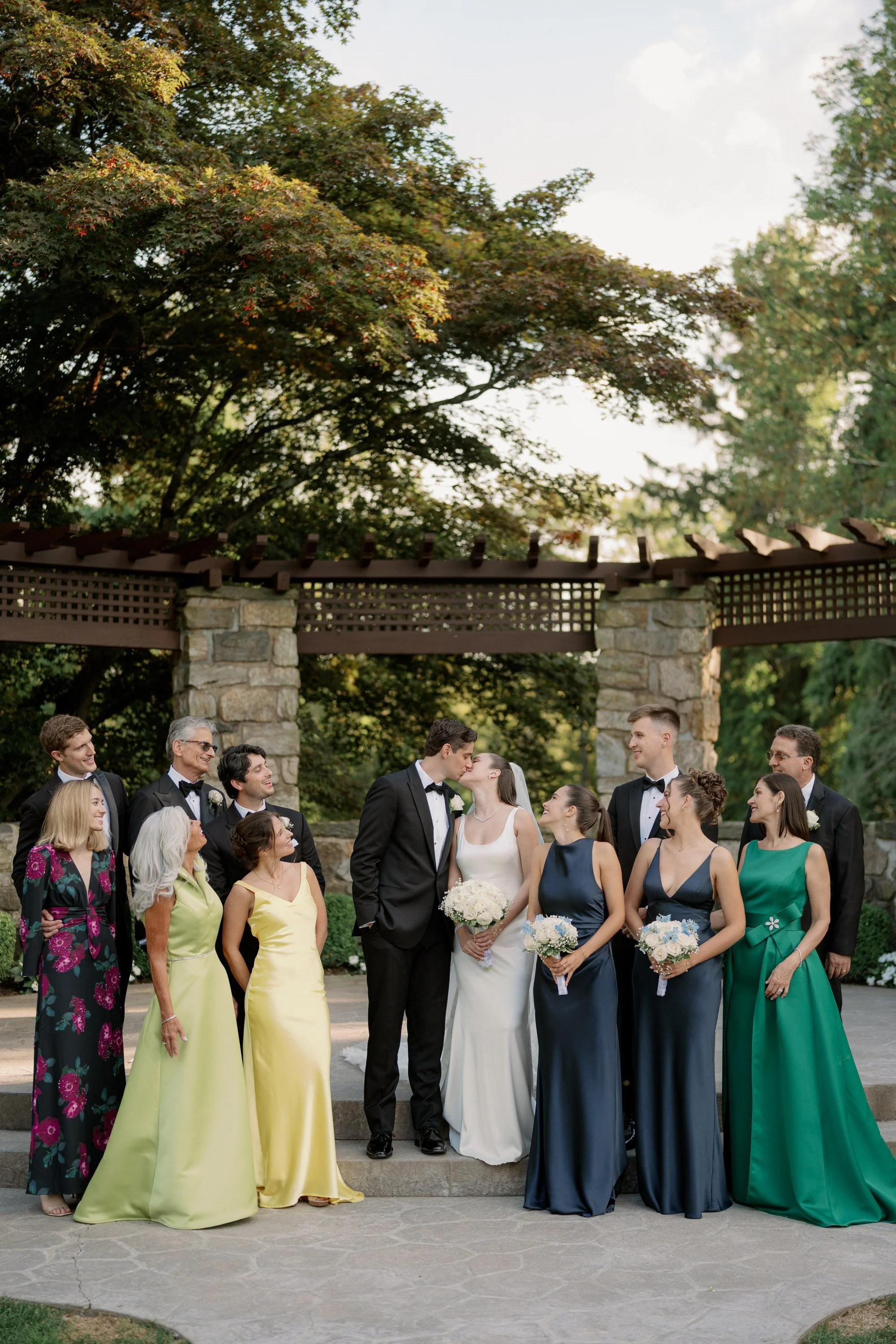
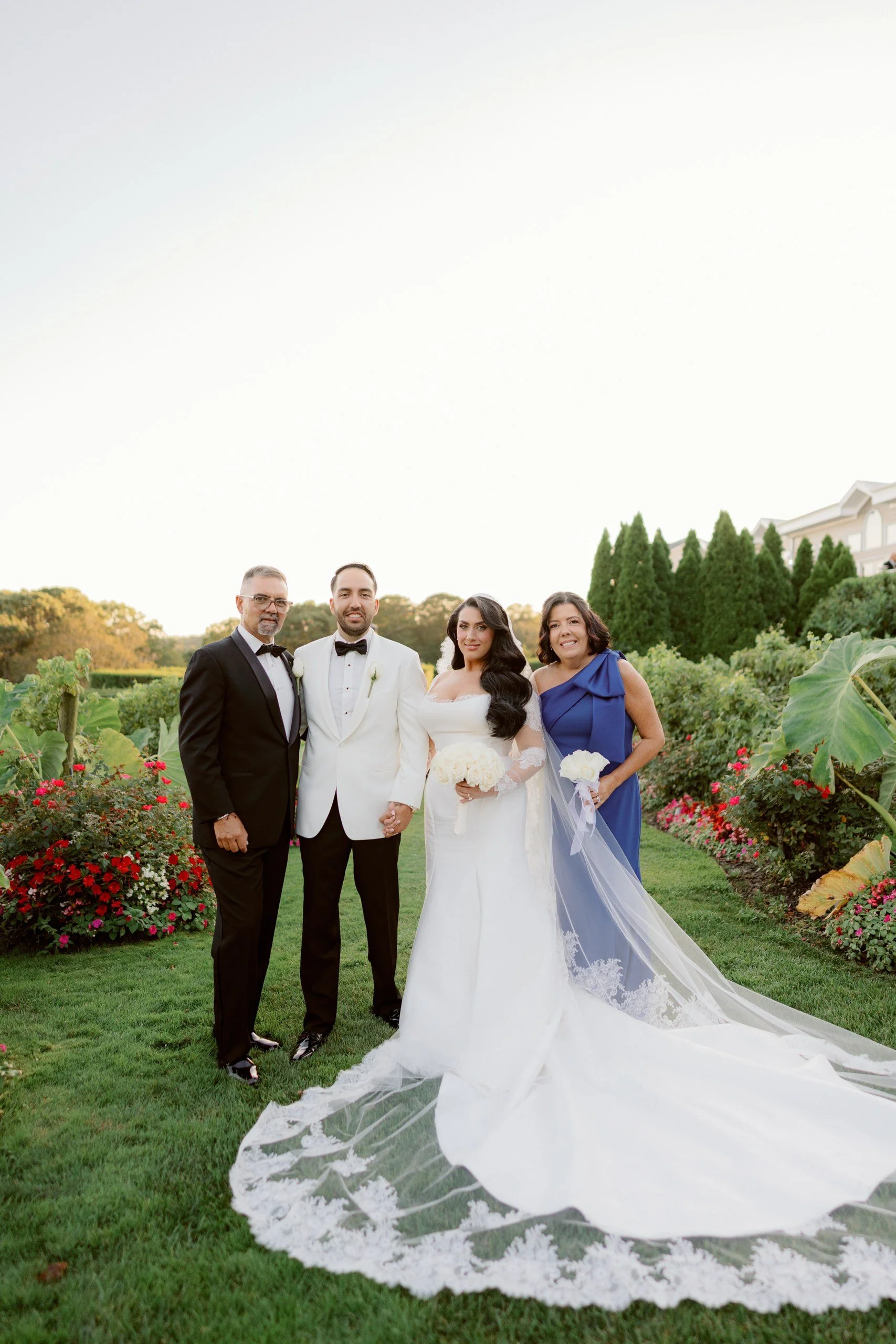
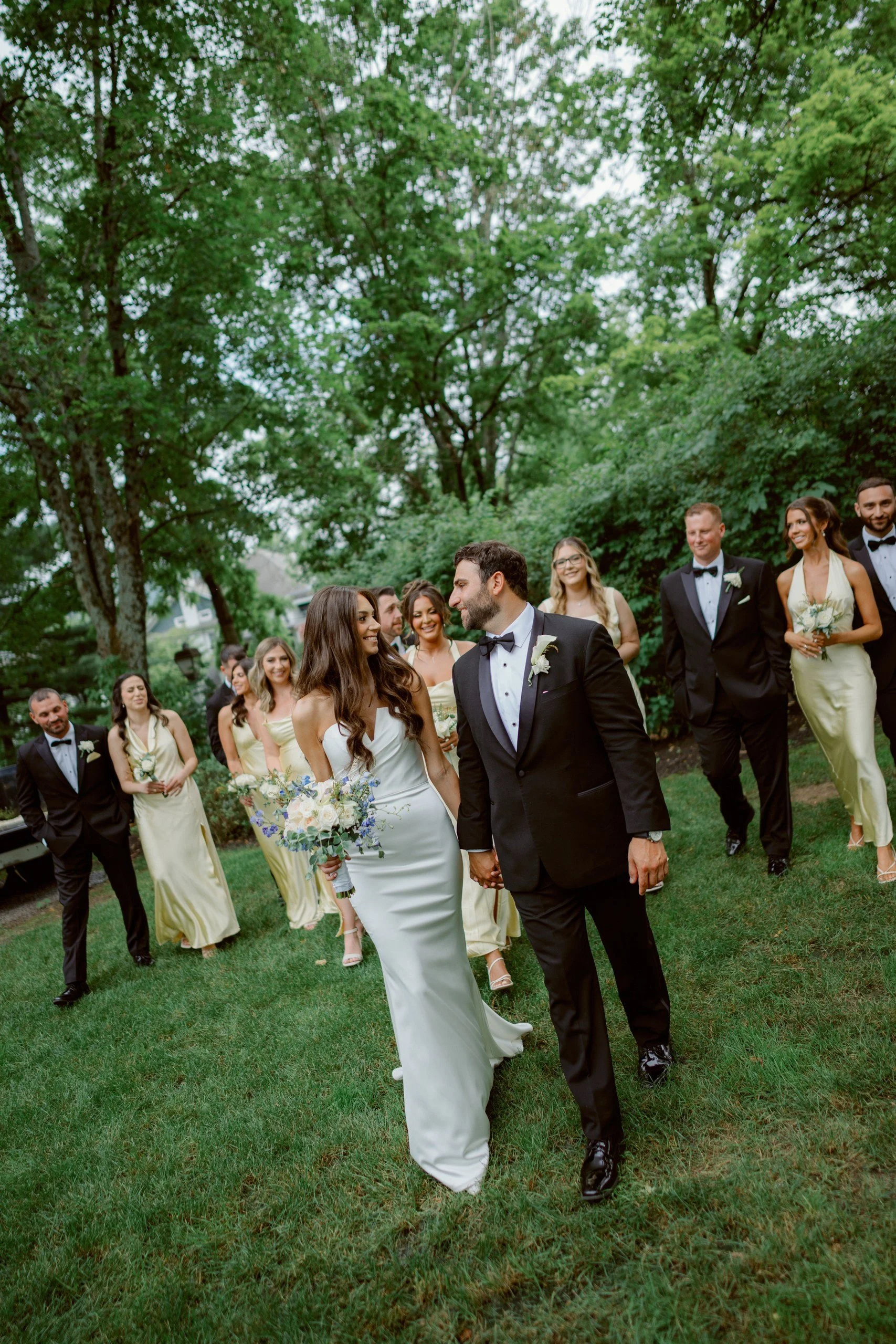
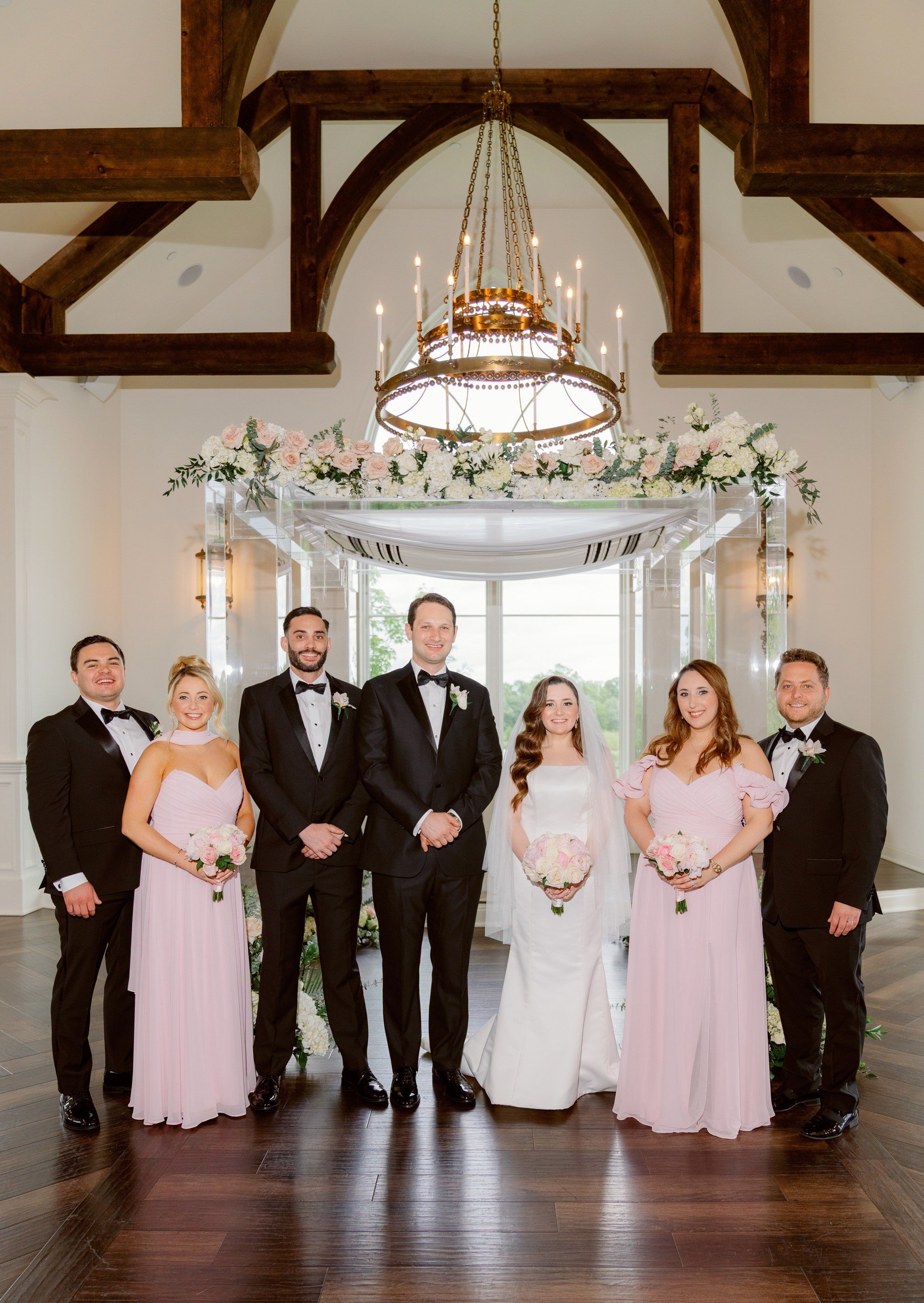
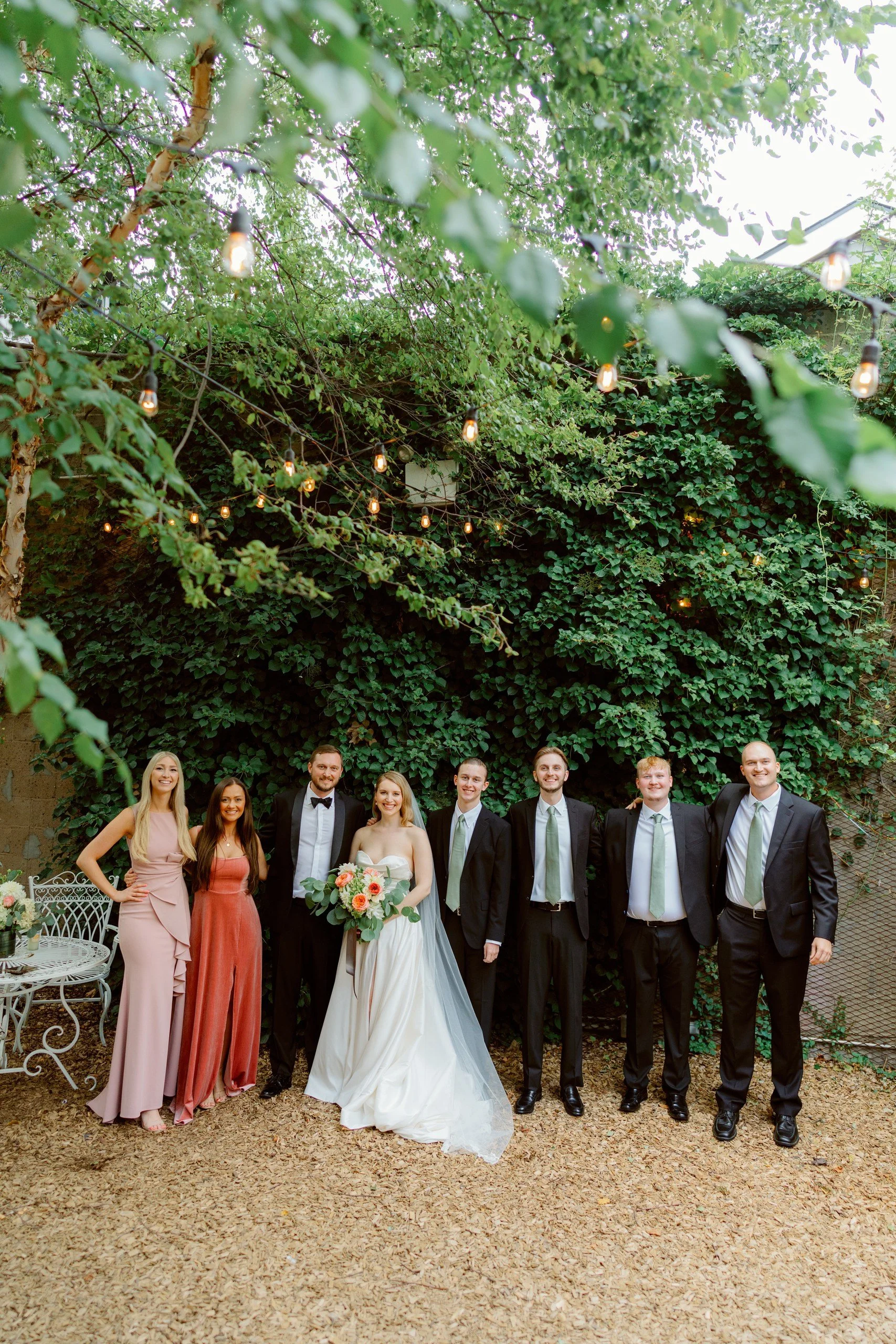
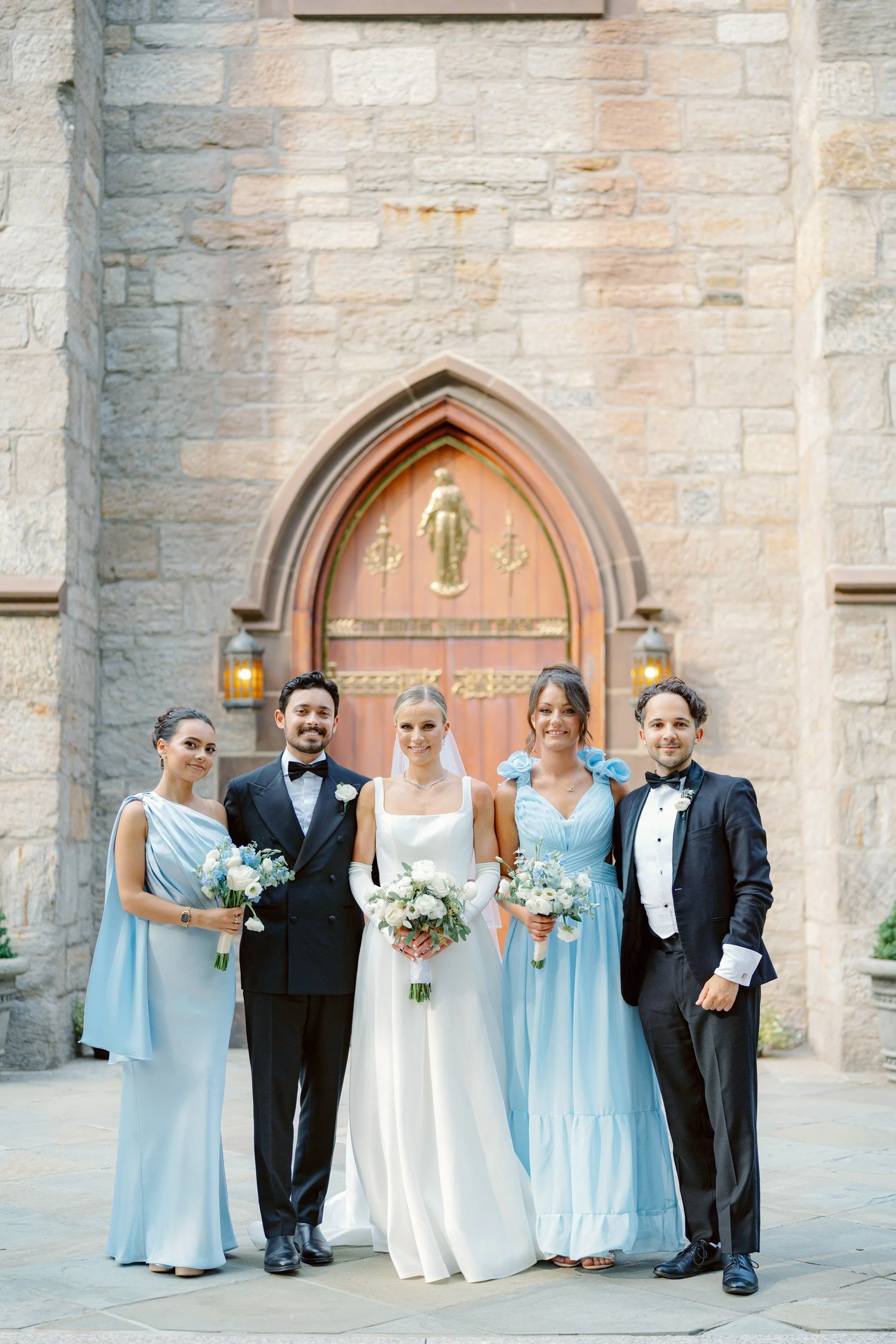
The single most common place a timeline runs over — covered in detail below.
Cocktail Hour
If you're doing a first look, this hour is yours — often the only real stretch of the day for couple portraits without an audience or a countdown. If you're not doing a first look, this is where formals and portraits both have to happen, which is tight but doable with a clear plan going in.
Reception
Once you're in the reception, the timeline is largely in your DJ's or bandleader's hands — but without a planner cross-checking this for you, confirm a few photography-specific details yourself in advance: when the sun actually sets (for outdoor golden hour), when speeches happen, and whether there's a planned exit or late-night portrait moment.
Golden Hour Portraits
If your venue allows for it, 10–15 minutes stepped away from the reception during golden hour produces some of the most consistently loved images from any wedding day. It requires almost nothing logistically — just a window built into the schedule and a willingness to step outside mid-celebration.
The 30–40 Minute Rule for Family Formals
This is the part of the day most likely to run over, and it's almost always avoidable — with or without a planner in the room.
The fix: build a specific group list in advance and hand it to your photographer — not "family photos," but the actual groupings (immediate family, extended family, bridal party, specific combinations you know your family will ask for). On the day, working from a clear list means formals move efficiently instead of being figured out in real time while forty people wait around, and nobody's improvising who should be called up next.
Done well, this takes 30 to 40 minutes — even for larger families. Done without a list, it routinely runs double that, and it's almost always time borrowed from your cocktail hour or your portraits.
Five Things a Planner Would Normally Catch — So You Catch Them Yourself
This is the part that's specific to planning solo. A good planner does a dozen small things in the background that quietly protect your timeline. Here's what to do instead:
Build in buffer everywhere, not just where you remember to. Planners pad almost every block by 10–15 minutes by default, because something always runs long. Without one, it's easy to schedule back-to-back and have the whole day slide by 4pm.
Confirm vendor arrival times against each other, not just against the day. Your florist, caterer, and DJ all need to load in around your ceremony and reception times — but nobody is automatically cross-checking their schedules against each other. Do that yourself, a week or two out.
Name a day-of point person who isn't you. A friend, sibling, or parent who can answer "where do the flowers go" or "has the DJ arrived" so those questions never reach you. This is the single highest-leverage thing a self-planning couple can do.
Decide your weather backup — and its timing — in advance. Not just "we have a tent option," but at what time, and by whom, that call actually gets made on the day.
Send one final timeline to every vendor, a week ahead. Not five separate conversations — one shared document everyone has seen, so your photographer, caterer, DJ, and venue coordinator are all working from the same script without you relaying it in real time.
Two Sample Timelines
These are starting points, not a fixed formula — every venue and guest count shifts things. Use them as a template to adapt rather than building from a blank page.
A compact, single-location day
12:00pm — Getting ready begins
2:30pm — First look + couple portraits
3:15pm — Wedding party photos
3:45pm — Family formals
4:30pm — Ceremony
5:00pm — Cocktail hour (guests) / photographer catches candid details + room
6:00pm — Reception begins
7:45pm — Golden hour portraits (10–15 min step-away)
8:00pm onward — Toasts, dancing, open floor
A fuller day, no first look, multiple locations
10:00am — Getting ready begins
1:30pm — Ceremony
2:15pm — Family formals (immediate family only — extended family folded into cocktail hour)
2:45pm — Wedding party + couple portraits
3:30pm — Guests move to cocktail hour; couple continues portraits
4:15pm — Cocktail hour ends, couple joins
5:00pm — Reception begins
7:30pm — Golden hour portraits
8:00pm onward — Toasts, dancing, open floor
The difference between these two isn't about hours of coverage — it's about where the pressure points land. The first protects cocktail hour; the second protects the ceremony-as-first-meeting. Both work. The point is choosing on purpose, not by accident.
How Studio Collective Fills the Planner-Shaped Gap
If you don't have a planner, this is the part of working with us that matters most. Building your timeline isn't something we hand you a template for and wish you luck with — it's part of the planning process itself. During your consultation, we walk through your venue, your vision, and your day's specific logistics, and help shape a schedule that protects the light and the moments that matter most to you.
Every Studio Collective photographer has trained on exactly this — reading a day before it happens, knowing where the pressure points usually show up, and building in the buffers that keep a wedding from feeling rushed. And because every gallery is edited under Studio's Standard, the planning and the finished images are working toward the same standard from the very first conversation.
Ready to Start Planning Your Timeline?
We're putting together a free, downloadable wedding-day timeline template — coming soon.
In the meantime, if you're planning without a planner and want help building your timeline around your specific venue and vision, reach out through our inquiry form and we'll walk through it together.
